When Presentation Becomes Part of the Experience – The Visual Expression in Modern Food Culture


When Presentation Becomes Part of the Experience – The Visual Expression in Modern Food Culture
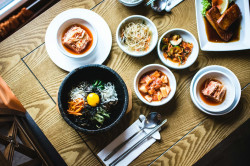
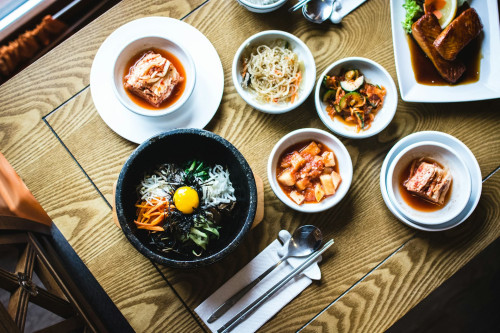
Today, food experiences are about much more than taste. They are about how food looks, how it’s presented, and how it’s shared – both at the table and online. The visual expression has become a central part of modern food culture, influencing everything from restaurant design to how we plate dinner at home. But why does appearance matter so much, and how has it changed the way we eat and experience food?
From Nourishment to Aesthetics
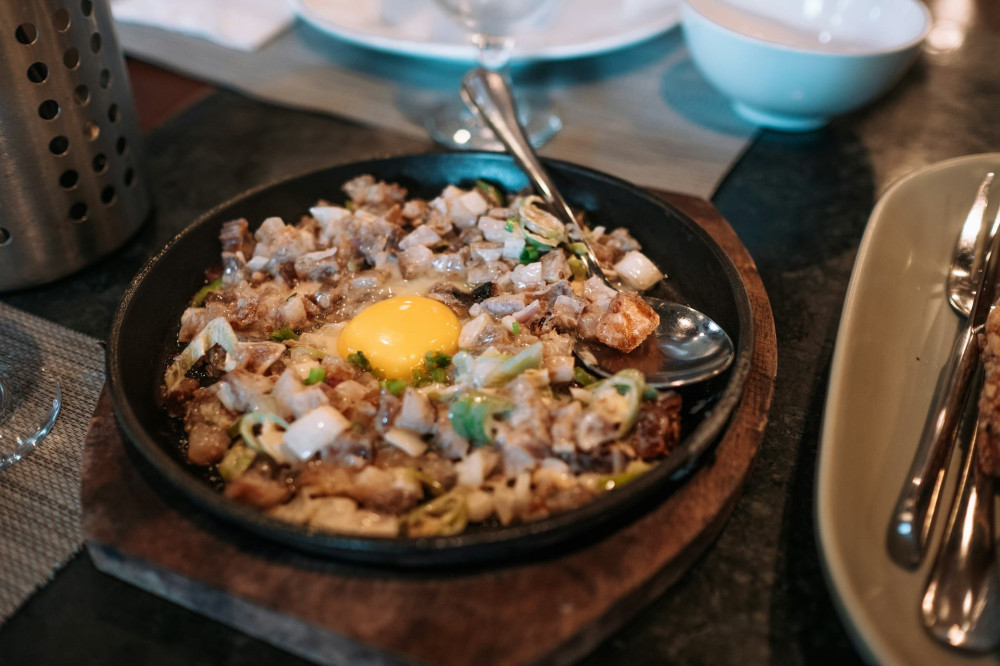
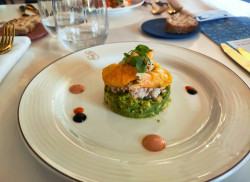
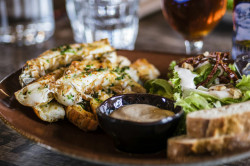
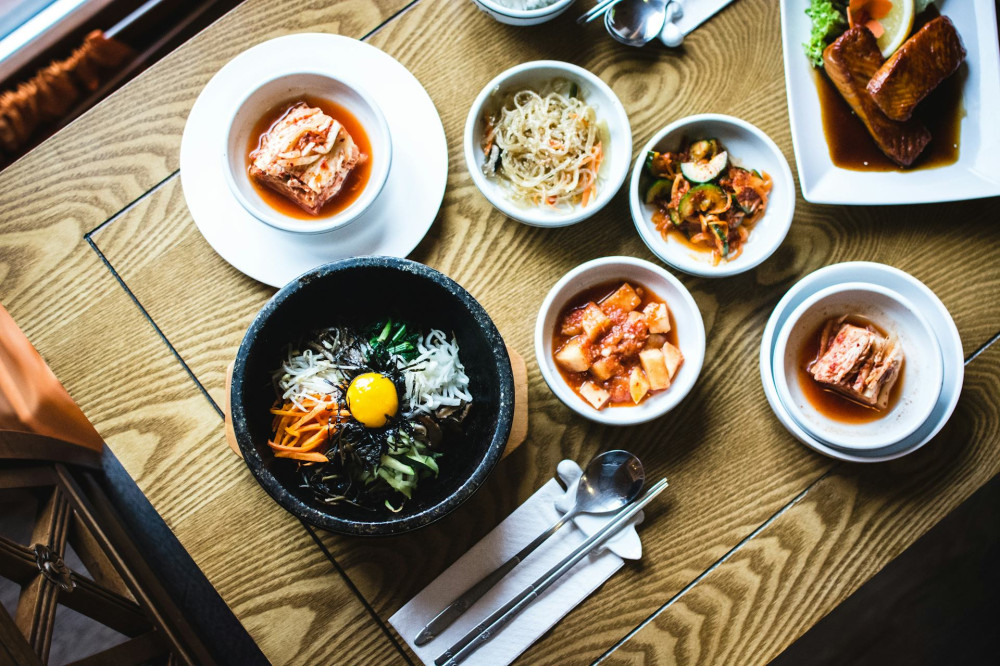
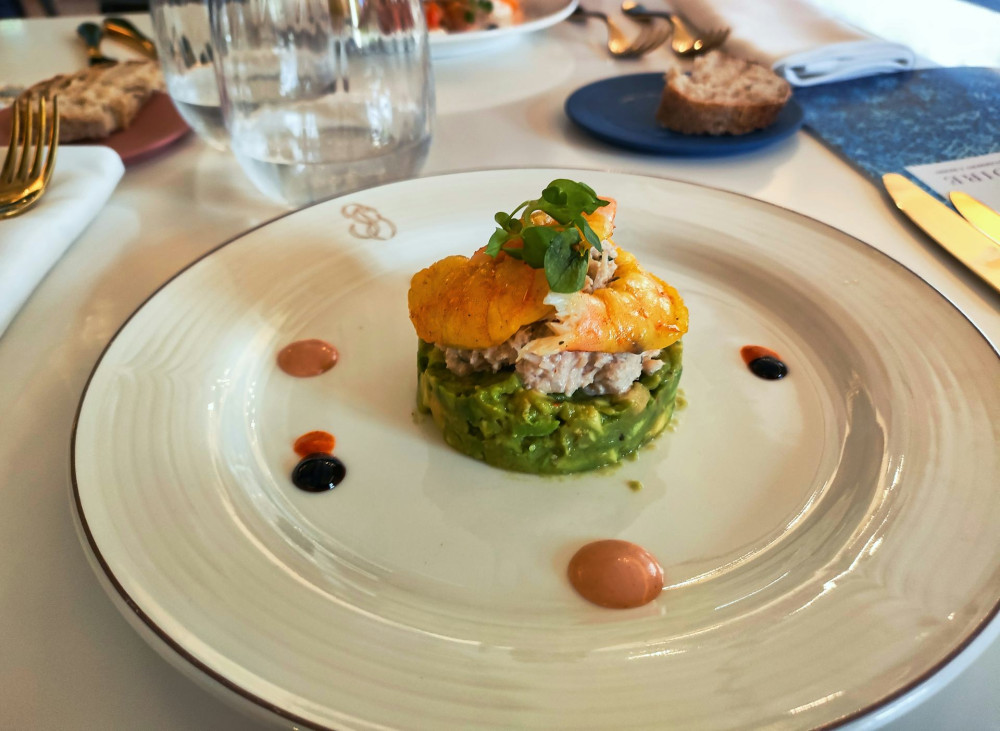
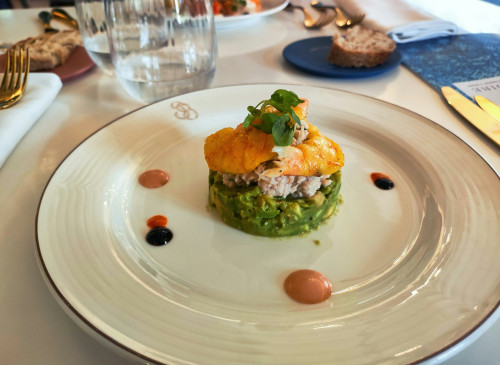
For much of history, food was primarily about sustenance. Now, it’s also about aesthetics. We “eat with our eyes,” as the saying goes – and science backs it up. Studies show that our perception of flavor is influenced by how food looks. A beautifully plated dish can make us believe it tastes better, even if the ingredients are identical.
This shift is closely tied to the growing interest in gastronomy as a cultural phenomenon. Cooking shows, food blogs, and social media have made the visual aspect an integral part of the dining experience. It’s no longer just about eating – it’s about experiencing, sharing, and curating.
The Visual as Storytelling
For many chefs, presentation has become a form of storytelling. The plate is their canvas, and every detail – from color and texture to shape and placement – is intentional. A dish can reflect nature, the season, or the chef’s personal philosophy.
In the U.S., this can be seen in the rise of farm-to-table restaurants, where presentation often highlights the freshness and origin of ingredients. In other culinary traditions, such as Japanese or French cuisine, precision and balance have long been part of the visual language. Across cultures, the visual expression supports the story behind the food – making the experience more complete.
Social Media and the Shared Experience
Instagram, TikTok, and other platforms have turned food into a visual phenomenon of its own. A photo of a vibrant smoothie bowl or an artful dessert can reach thousands within seconds. For restaurants, that means presentation must impress not only the diner at the table but also the audience behind the screen.
This has created a new kind of aesthetic, where lighting, color, and composition matter as much as flavor. Some critics argue that this trend can lead to superficiality – that food is designed for the camera rather than the palate. Others see it as a natural evolution, where the visual dimension of food finally gets the attention it deserves.
The Home Kitchen Joins In
The focus on presentation is no longer reserved for fine dining. Home cooks across the U.S. are paying attention to plating, color harmony, and tableware. Plates, bowls, and utensils are chosen with care, and a sprinkle of herbs or a drizzle of sauce serves as the finishing touch. It’s not necessarily about perfection, but about creating an experience – even on a weeknight.
Cooking has become a form of creative expression, where visual style reflects personal taste. It can be rustic and natural, colorful and playful, or minimalist and refined. Whatever the style, it shows that we now see food as more than just nourishment.
When Aesthetics and Sustainability Meet
An interesting trend in modern food culture is how visual expression often aligns with sustainability. Local ingredients, seasonal colors, and natural materials are used not only for flavor but also to create an aesthetic that signals authenticity and respect for nature.
Beauty no longer means perfection. A crooked carrot or a handmade ceramic plate can be just as visually satisfying because they tell a story of craftsmanship and origin. The visual thus becomes part of a larger narrative about responsibility and awareness.
Læs også:
A Feast for All the Senses
When presentation becomes part of the experience, it expands our understanding of what food can be. It’s not just about satisfying taste, but about creating a multisensory experience where sight, smell, sound, and touch all play a role. The visual element builds anticipation, sets the mood, and enhances enjoyment.
In the end, that may be what defines modern food culture: our desire for experiences that engage all the senses – experiences we can share, remember, and be inspired by.
Læs også: