What Does a Restaurant Reveal? Read the Menu, Décor, and Service Like an Expert

What Does a Restaurant Reveal? Read the Menu, Décor, and Service Like an Expert
When you walk into a restaurant, you’re stepping into a story. Every detail—from the menu design to the lighting and the way the staff greets you—tells you something about the restaurant’s identity, ambition, and quality. Learning to read these signals is a skill that food critics and seasoned diners share. Here’s how you can start reading a restaurant like an expert.
The Menu – The Restaurant’s Mirror
The menu is more than a list of dishes; it’s a window into how the restaurant thinks.
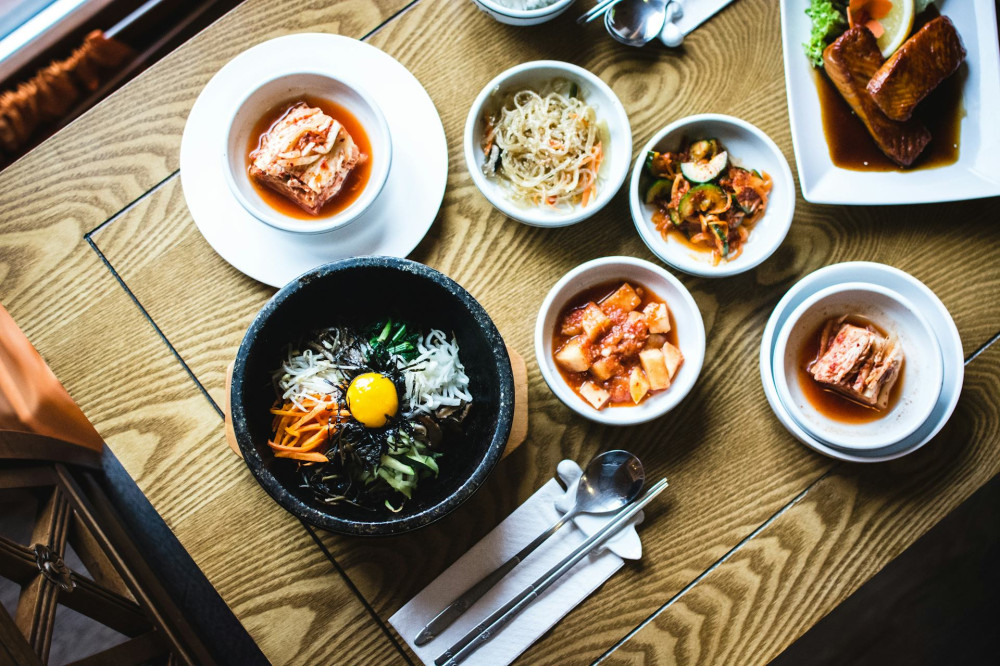
- The number of dishes says a lot. A concise menu with a handful of well-chosen options often signals a kitchen that cooks with fresh ingredients and knows its strengths. A sprawling menu with dozens of items can suggest that many dishes are pre-made or frozen.
- The language on the menu matters. Are the descriptions clear and appetizing—or vague and overblown? Words like “house-made,” “fresh,” and “local” sound appealing, but don’t be afraid to ask what they really mean.
- The prices should match the concept. A casual diner can serve great food at low prices, but if a restaurant charges fine-dining prices without delivering the quality or experience, that’s a red flag.
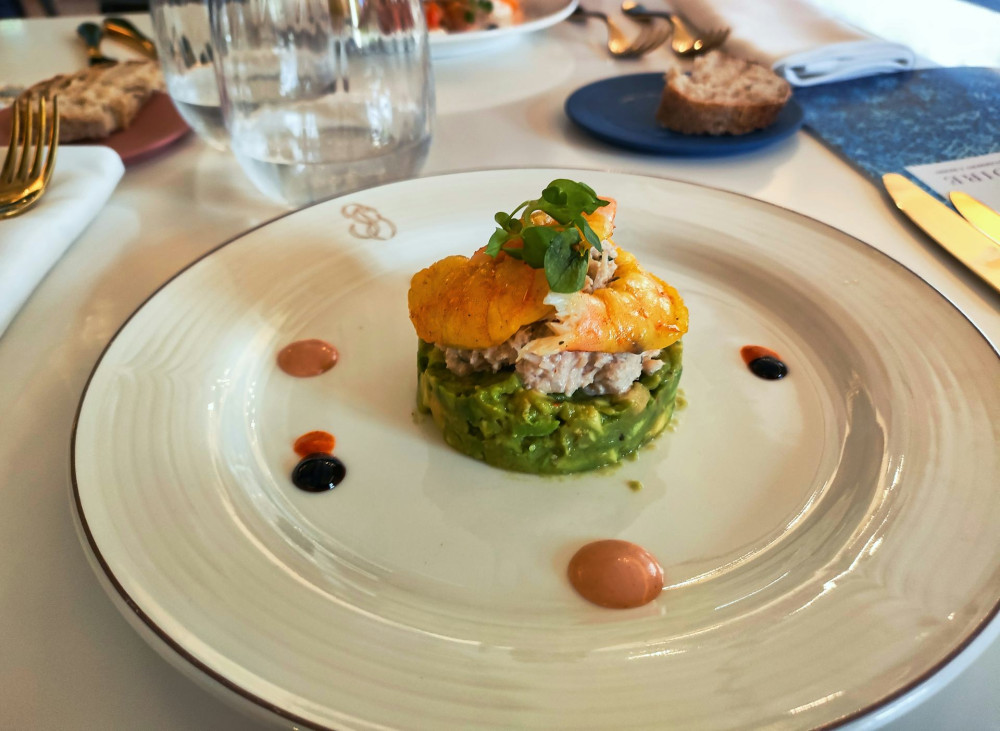
A good menu is focused, thoughtful, and consistent with the restaurant’s vision—whether it’s a neighborhood café, a barbecue joint, or a high-end tasting room.
The Décor – Atmosphere and Intent
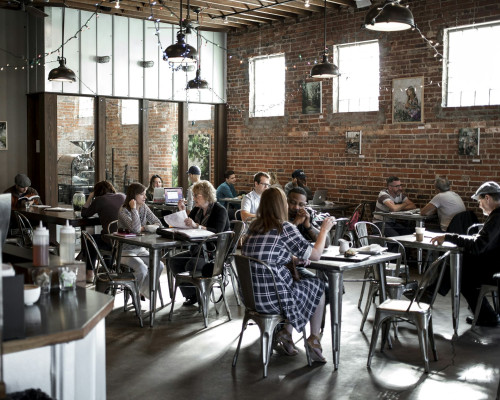
Décor tells you who the restaurant wants to be. It’s not just about looks; it’s about the mood and message.
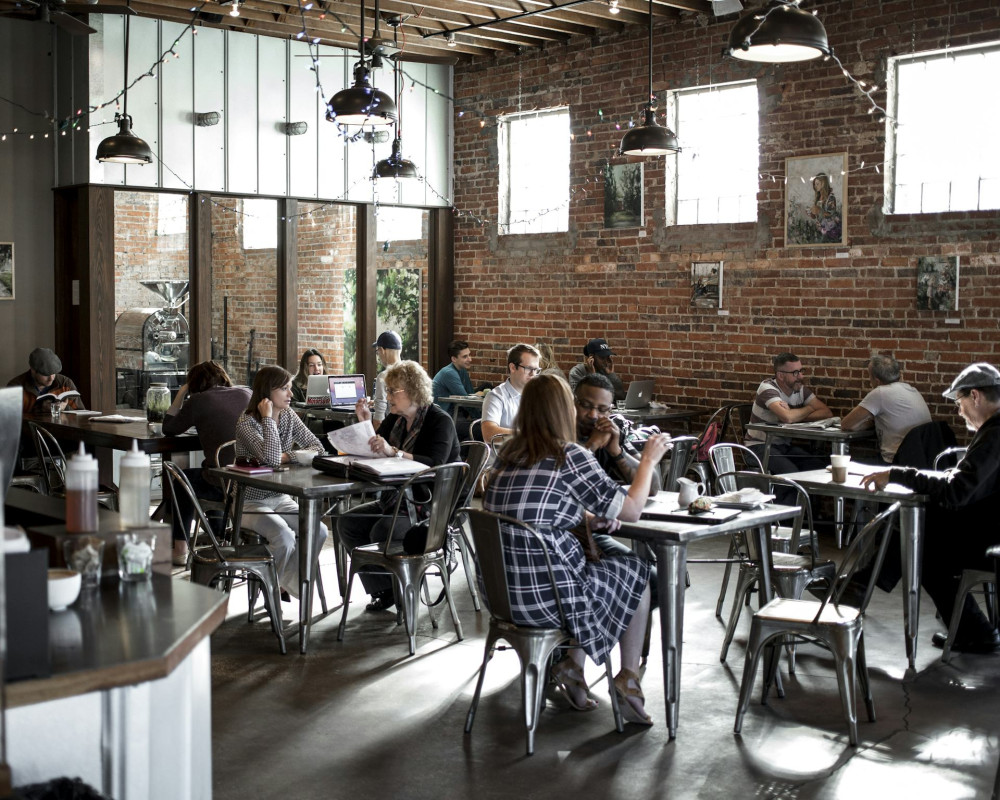
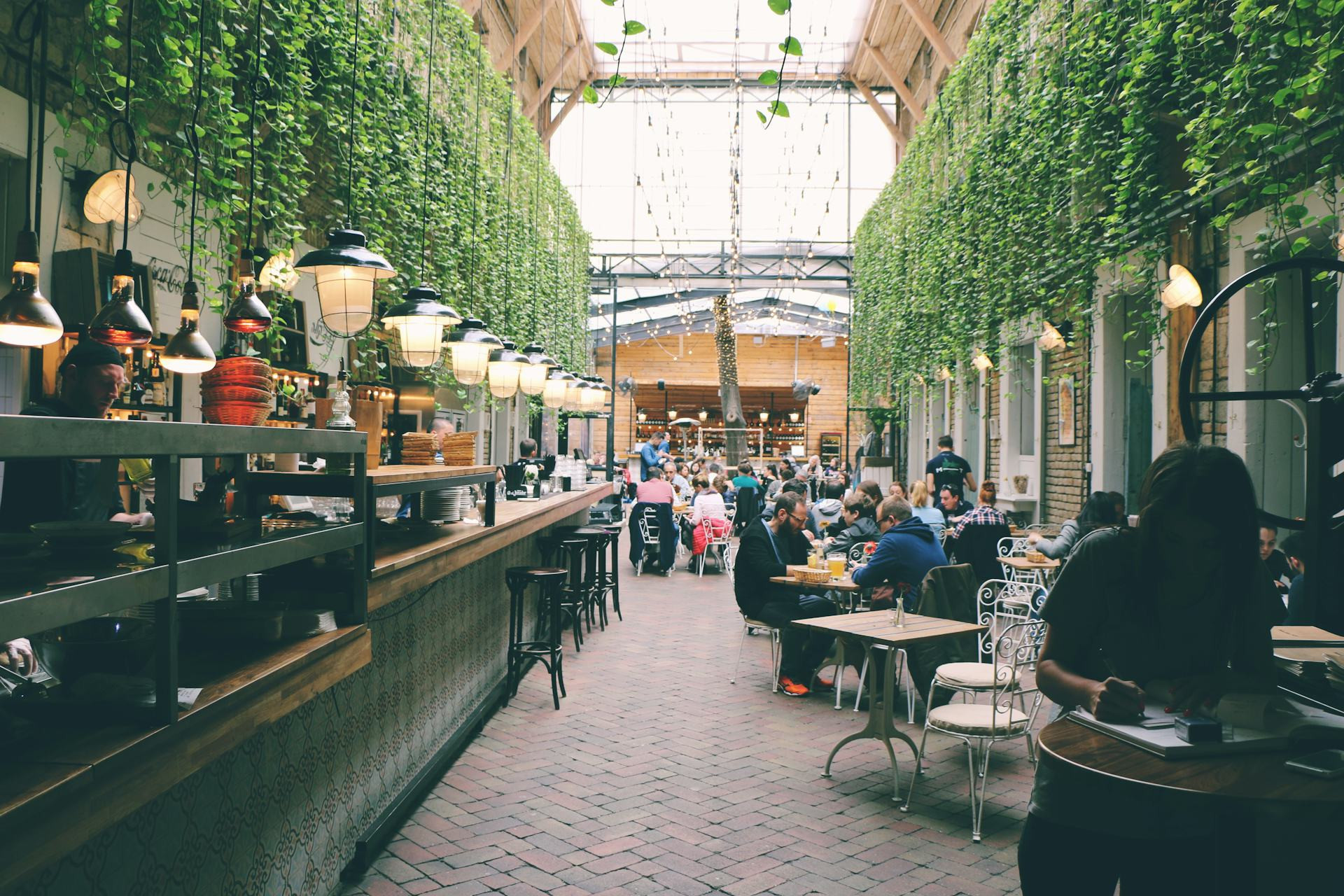
- Materials and lighting reveal ambition. Real wood tables, warm lighting, and carefully chosen details suggest care and investment. Harsh lighting, plastic furniture, or cluttered spaces can signal a focus on quick turnover rather than comfort.
- Music and noise level shape your experience. A lively soundtrack and buzz of conversation fit a casual bar or brunch spot, while soft background music and calm energy suit a fine-dining setting.
- Cleanliness is the simplest but most telling sign. Check the floor, restrooms, and silverware. A clean space reflects respect—for both the food and the guests.
The décor should match the food. A minimalist sushi bar with neon lights or a Southern comfort restaurant with sterile modern furniture sends mixed messages.
The Service – The Human Element
How the staff interacts with you is often the truest reflection of a restaurant’s culture.
- First impressions matter. Are you greeted with a smile and eye contact, or do you feel like an inconvenience? That first moment sets the tone for the entire meal.
- Knowledge and enthusiasm are marks of professionalism. A good server can describe dishes, suggest pairings, and answer questions naturally. If the staff seems unsure or disengaged, it may point to poor training or low morale.
- Timing is an art. Great service means being attentive without hovering—knowing when to refill a drink and when to give you space.
Excellent service can elevate an average meal, while poor service can ruin even the best food.
The Whole Picture – When Everything Aligns
The best restaurants are those where everything feels cohesive. The menu, décor, and service all tell the same story. It might be a cozy breakfast spot that feels like home or a sleek modern restaurant where every detail is deliberate.
When you evaluate a restaurant, ask yourself:
- Does the atmosphere fit the food?
- Does the experience feel genuine and intentional?
- Is there balance between price, quality, and service?
If the answer is yes, you’ve found a place that knows who it is—and respects its guests.
Læs også:

Trust Your Instincts
Even without expert training, you can sense when a restaurant works. Your gut feeling is often right. If something feels off—too rushed, too forced, too chaotic—it probably is.
Reading a restaurant is ultimately about paying attention: to the mood, the details, and the people. Once you start noticing the patterns, dining out becomes more than just eating—it becomes a way to understand how every restaurant tells its own story, one plate at a time.
Læs også: