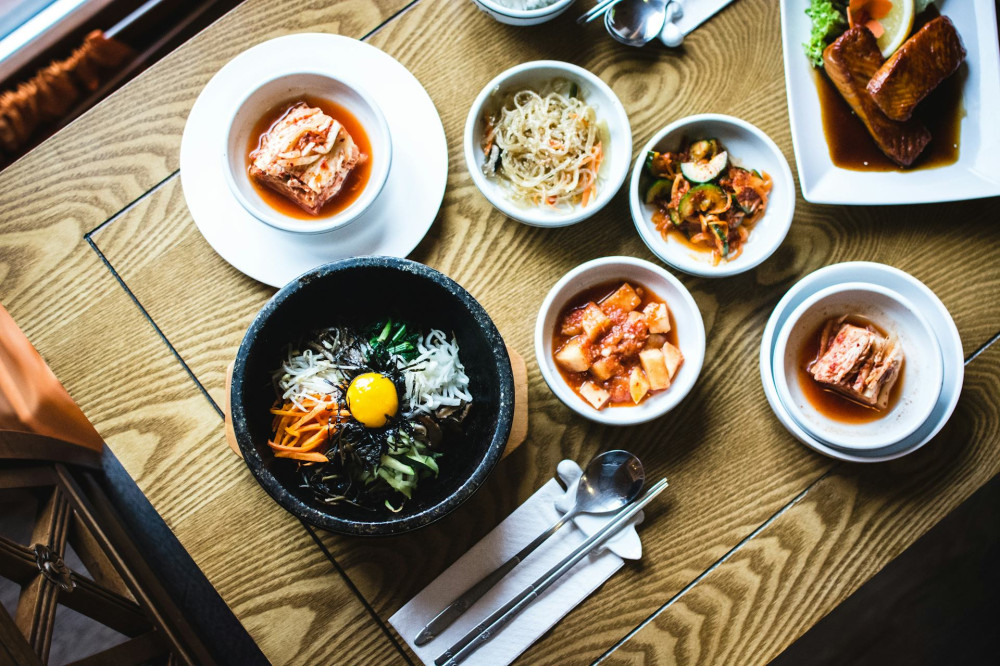
Local Ingredients in Focus: Flavor, Texture, and Aroma in Harmonious Balance

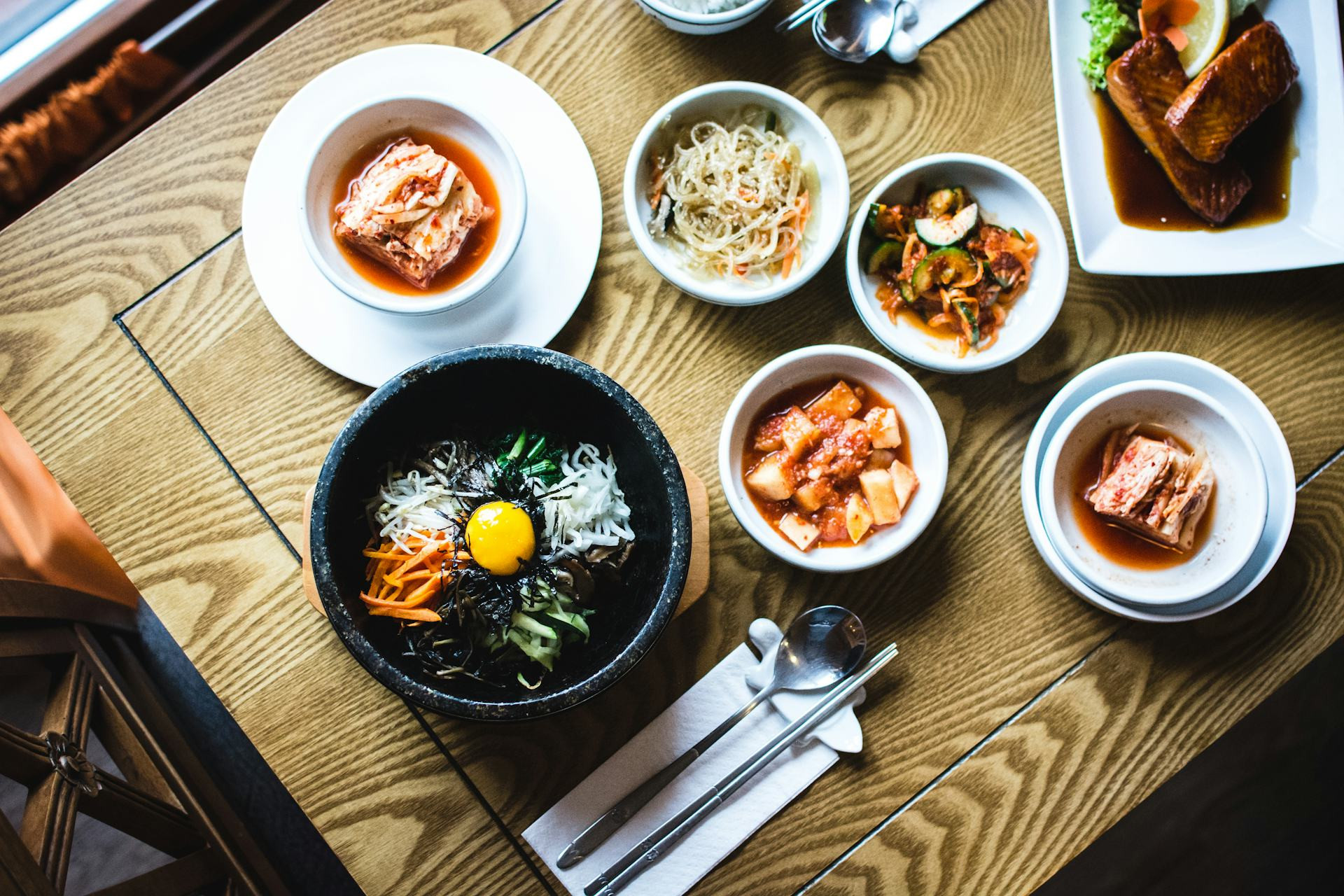
Local Ingredients in Focus: Flavor, Texture, and Aroma in Harmonious Balance
Across the United States, chefs, farmers, and home cooks are rediscovering the power of local ingredients. From the Pacific Northwest’s wild mushrooms to the heirloom tomatoes of the South, the movement toward regional sourcing is about more than sustainability—it’s about capturing the true taste of place. When ingredients are grown, harvested, and prepared close to home, they bring a depth of flavor, texture, and aroma that imported products simply can’t match.
The Taste of Place
Freshness is the first thing you notice when working with local ingredients. A peach picked that morning from a Georgia orchard tastes entirely different from one that’s traveled across the country. It’s juicier, more fragrant, and carries the warmth of the sun it ripened under. The same goes for oysters from the Chesapeake Bay, sweet corn from Iowa, or cheese aged on a small Vermont farm—each ingredient tells a story of its landscape and season.
Restaurants that partner with nearby producers gain more than just superior ingredients; they gain authenticity. Every dish becomes a reflection of its region’s soil, climate, and craftsmanship. Diners can taste the difference, and they can feel the connection to the people and places behind the food.
Texture as a Signature
Texture often defines the difference between a good dish and a memorable one. The crisp snap of a just-harvested green bean, the creamy smoothness of fresh goat cheese, or the tender bite of pasture-raised beef all depend on how and when the ingredient was produced. Local farmers and artisans have the advantage of timing—harvesting or processing at the exact moment of peak quality.
Because local ingredients spend less time in transit and storage, their natural textures remain intact. A loaf of bread made with freshly milled regional grain has a crust and crumb that feel alive. A salad of greens picked that morning retains a vibrancy that no refrigerated shipment can replicate. Texture, in this sense, becomes a form of storytelling—an expression of care and proximity.
Aroma – The Scent of the Landscape
Aroma is the most evocative element of any meal. It’s what draws you in before the first bite and lingers in memory long after. Local ingredients carry the scent of their environment: lavender honey from California’s Central Coast smells of wildflowers and sea air; basil grown in a Midwestern greenhouse has a peppery freshness that speaks of summer rain. These aromas are not just pleasant—they are deeply tied to place.
When chefs build dishes around local ingredients, they can create aromatic harmonies that feel natural and grounded. The smoky scent of roasted corn, the earthy perfume of wild herbs, or the briny whisper of coastal seaweed can transport diners to the fields, forests, and shores where the ingredients were born.
Collaboration Between Chef and Producer
Behind every successful local dish lies a partnership. Farmers, fishers, and foragers work closely with chefs to plan harvests, experiment with varieties, and align menus with the rhythm of the seasons. This collaboration fosters creativity on both sides. A farmer might grow a new strain of pepper for a restaurant’s signature hot sauce, or a cheesemaker might adjust aging techniques to suit a chef’s vision.
These relationships strengthen local food systems and encourage innovation rooted in respect for the land. They remind us that great food is not just made in the kitchen—it begins in the soil, the sea, and the hands of those who tend them.
A Sustainable Future
Choosing local ingredients is also a choice for sustainability. Shorter supply chains mean lower carbon emissions, and supporting nearby producers keeps money and knowledge within the community. Many American restaurants now embrace “farm-to-table” or “seed-to-plate” philosophies, minimizing waste and preserving seasonal abundance through pickling, fermenting, and drying. It’s a way to extend the flavors of summer into winter and to honor the natural cycles that sustain us.
Læs også:

Beyond the Plate
When flavor, texture, and aroma come together in balance, a meal becomes more than nourishment—it becomes an experience of place, time, and connection. Local ingredients allow us to taste America anew, one region at a time, with gratitude for the landscapes and people that make it possible.
This is not just a culinary trend but a cultural shift toward honesty, craftsmanship, and sensory awareness. In every bite of locally grown food, we find a reminder that the best flavors are often the ones closest to home.
Læs også: