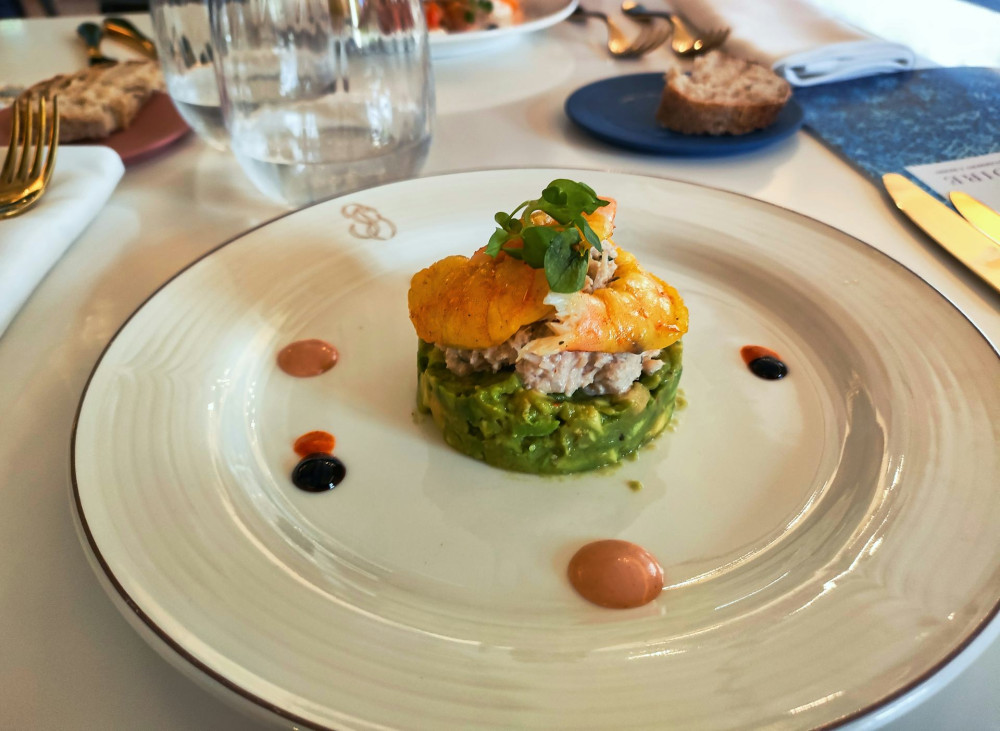
Taste Your Way: Food and Drink as the Key to Experiencing and Understanding a New Place

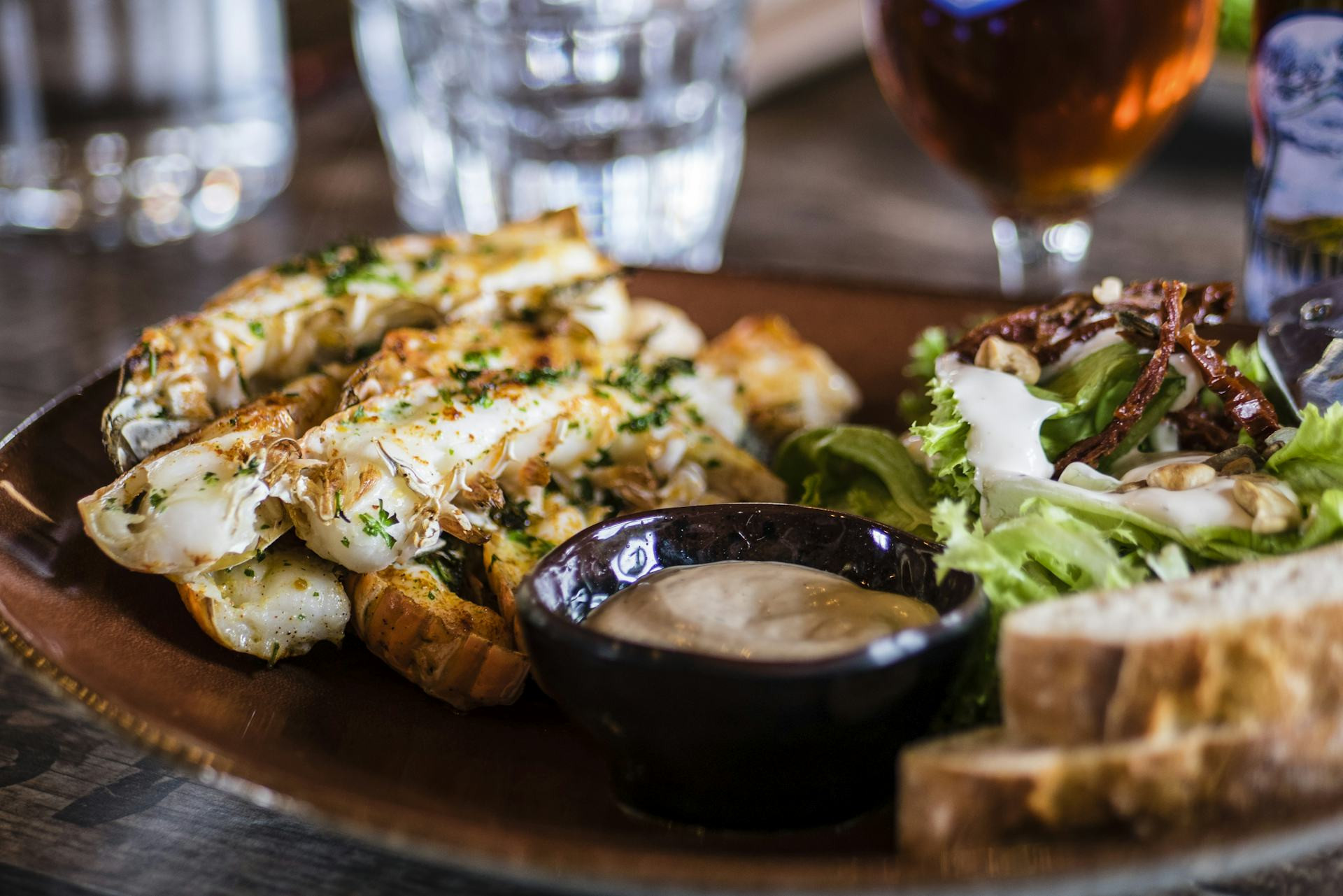
Taste Your Way: Food and Drink as the Key to Experiencing and Understanding a New Place
When we travel, we often chase the famous landmarks, the breathtaking views, and the must-see attractions. But it’s through food and drink that we truly get to know a place—its rhythm, its people, and its culture. Tasting your way through a destination isn’t just about satisfying hunger; it’s about opening all your senses to the world.
Flavor as a Mirror of Culture
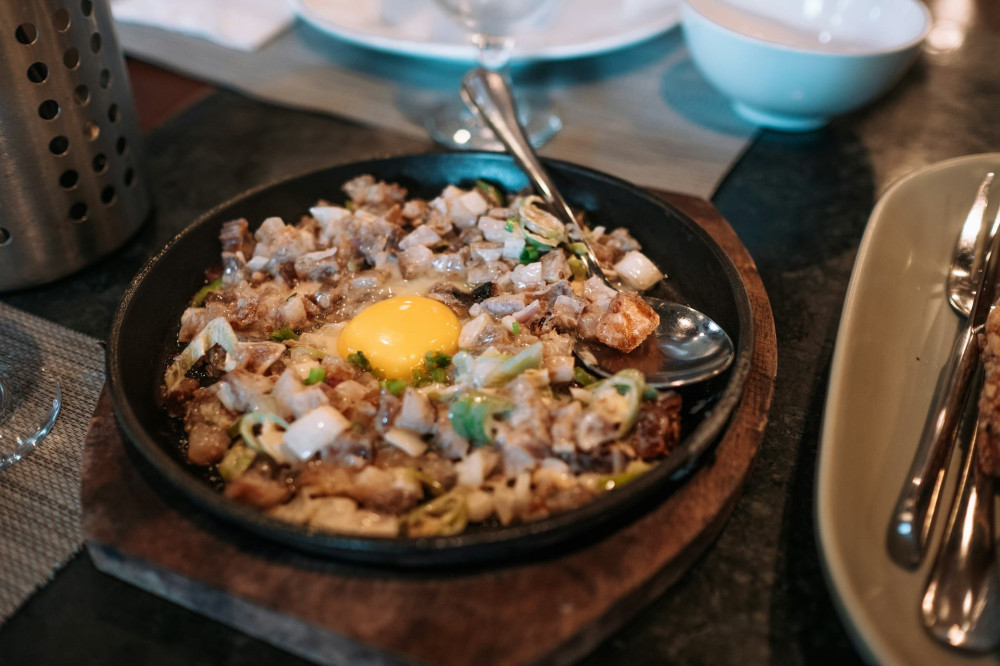
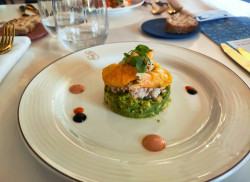
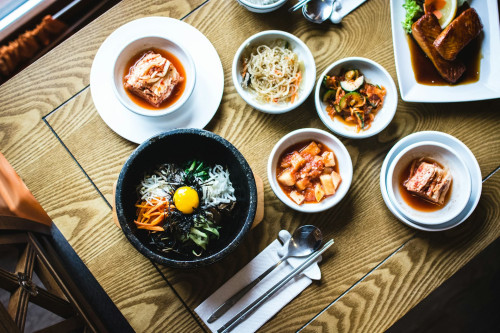
Every dish tells a story. It speaks of climate, local ingredients, traditions, and outside influences. In southern Italy, you can taste the sun in ripe tomatoes and olive oil, while in Japan, the freshness of the sea comes through in every bite of sushi. Food reflects how people have adapted to their surroundings—and how they’ve turned those surroundings into something uniquely their own.
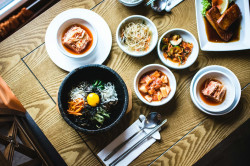
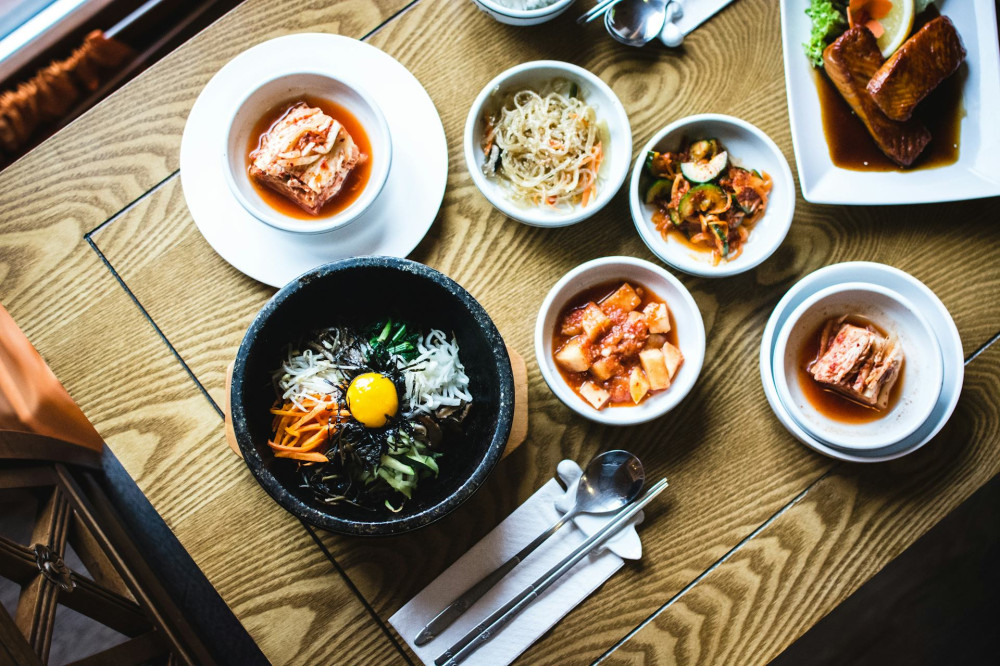
Sitting down at a local table gives you a glimpse into everyday life. You see how people eat together, what they value, and how they celebrate. It’s a kind of cultural understanding that no guidebook can fully capture—you have to experience it with your palate.
Markets: The Beating Heart of a City
One of the best places to start is the local market. Here, scents, colors, and sounds collide in a sensory explosion that tells you more about a place than many museums ever could. You can see what’s in season, hear vendors calling out their specials, and sample bites of cheese, fruit, or pastries as you wander.
At a market in Mexico City, you might be drawn in by the smoky aroma of roasted chilies, while in Seattle’s Pike Place Market, the scent of fresh seafood fills the air. Wherever you go, markets are windows into local life—and invitations to explore.
Eat Where the Locals Eat
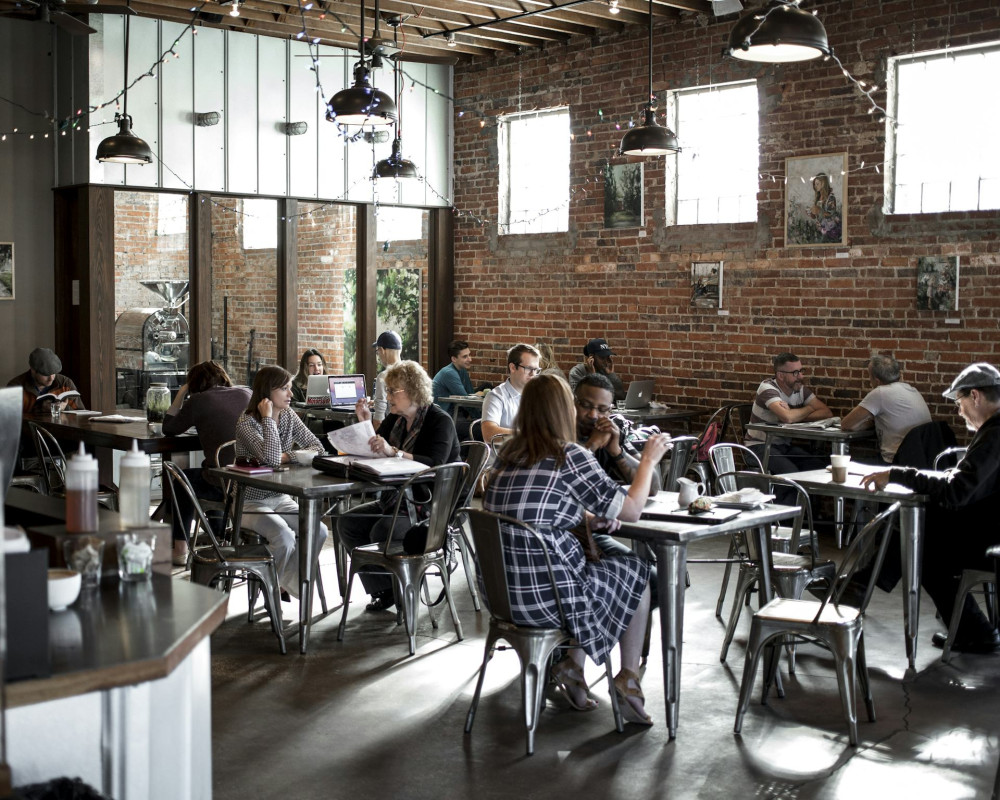
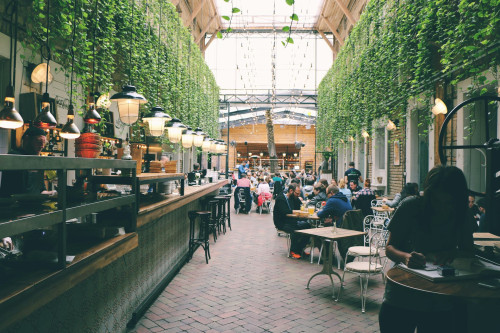
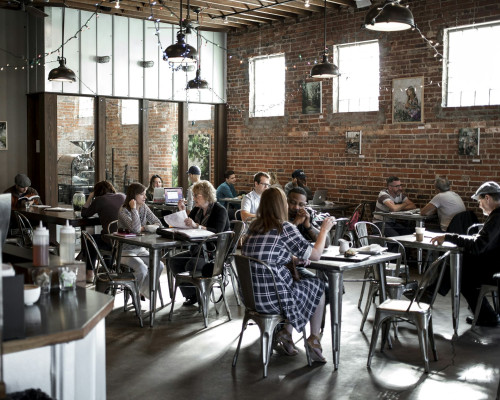
It’s tempting to stick to the restaurants listed in travel guides, but the most authentic experiences often happen where locals themselves go. It might be a family-run diner, a street food stall, or a café where regulars greet the staff by name.
Ask locals where they like to eat, and be curious. You might end up tasting something you’ve never heard of—and discover that it’s those unexpected bites that make a trip unforgettable.
Drinks Tell Their Own Story
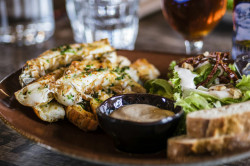
Food’s companion—whether it’s wine, tea, coffee, or beer—also reveals much about a place. In France, wine is part of daily life and culture; in Morocco, mint tea is a symbol of hospitality. In the U.S., craft breweries and small-batch distilleries have become a way for communities to express local pride, while in Colombia or Ethiopia, coffee is more than a drink—it’s a ritual.
Tasting local beverages means taking part in traditions that often go back generations. It’s a way to understand how people gather, celebrate, and share moments.
Learn Through Cooking
Taking a cooking class while traveling can be one of the most rewarding experiences. When you work with local ingredients yourself, you don’t just learn recipes—you learn techniques, stories, and small secrets that rarely make it into cookbooks. You gain insight into how flavors are built and why a particular dish holds meaning for those who make it.
It’s an experience that stays with you—and one you can bring home to your own kitchen long after the trip ends.
Læs også:
Taste as a Souvenir
Souvenirs don’t have to be things. They can be flavors you bring back: a jar of local honey, a bottle of wine, or a spice blend from a market stall. When you recreate a dish at home, the memories come alive again—the scent, the atmosphere, the feeling of being somewhere new.
Tasting your way through the world is more than a way to travel—it’s a way to connect. It’s about being present, staying curious, and letting flavors tell their stories.
Læs også: