Weekly Meal Plan Made Easy: How to Add Flavor, Variety, and Structure to Your Everyday Routine

Weekly Meal Plan Made Easy: How to Add Flavor, Variety, and Structure to Your Everyday Routine
A busy week doesn’t have to mean takeout dinners or last-minute stress about what to cook. With a thoughtful weekly meal plan, you can bring structure, variety, and flavor to your table—without spending every evening in the kitchen. Here’s how to plan your meals so they fit your schedule, taste great, and make your week run more smoothly.
Why a Meal Plan Makes Sense
Meal planning isn’t just about saving time—it’s about creating balance and reducing waste. When you plan your meals ahead, you shop with purpose, use ingredients efficiently, and avoid those expensive impulse buys.
It also helps you add variety to your diet. Many families rotate the same handful of meals week after week, but with a little planning, you can easily introduce new flavors, seasonal produce, and healthier options into your routine.
How to Get Started
Set aside a little time once a week—Sunday is a popular choice—to plan your meals for the days ahead. It doesn’t have to be complicated. A simple approach is to choose:
- 1–2 quick weeknight meals (like tacos, stir-fry, or pasta)
- 1 plant-based dish (such as lentil soup, veggie chili, or a hearty salad)
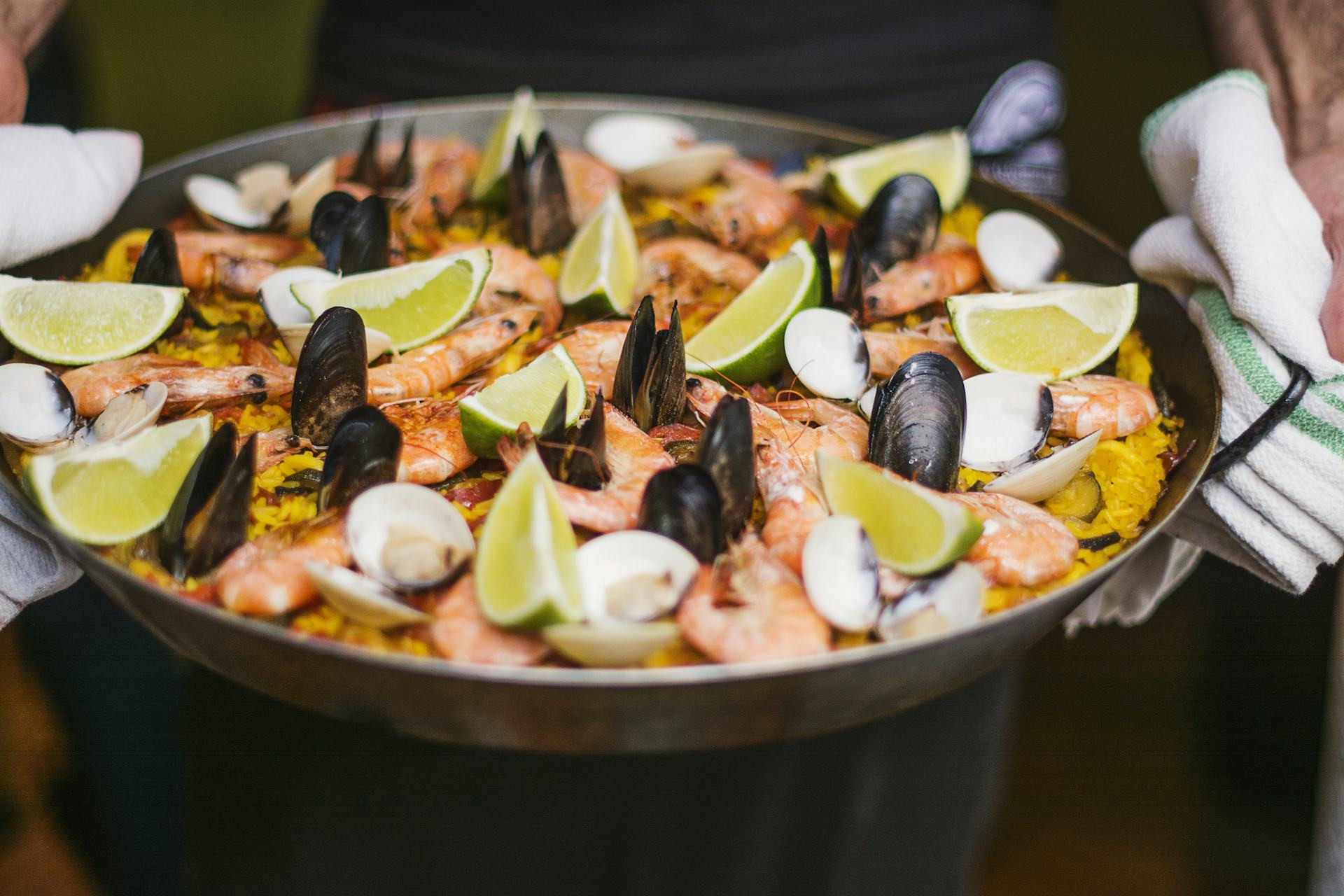
- 1 seafood meal (like baked salmon or shrimp bowls)
- 1 comfort food favorite (mac and cheese, chili, or roast chicken)
- 1 leftovers night – use what’s left in the fridge creatively
This mix gives you both structure and flexibility, without feeling overwhelming.
Make Grocery Shopping Easier
Once your plan is set, write a single grocery list. Organize it by category—produce, meat, dairy, pantry staples—to make your shopping trip faster and more efficient. Many people prefer one big weekly grocery run, with a quick midweek stop for fresh fruits and vegetables.
It’s also smart to stock up on versatile basics like rice, pasta, eggs, canned beans, tomatoes, and spices. These staples make it easy to adjust your plan if your week changes unexpectedly.
Cooking with Less Stress
Even the best meal plan can fall apart if your week gets hectic. That’s why meal prep is key. Chop vegetables ahead of time, cook extra grains, or double a recipe so you have leftovers for another night.
Weekends are perfect for batch cooking. Make a big pot of soup, chili, or lasagna and freeze portions for later. Knowing you have a homemade meal ready to go can make even the busiest weeknight feel manageable.
A Sample Week of Flavor and Variety
Here’s an example of how your week might look:
- Monday: Chicken fajitas with peppers and onions
- Tuesday: Baked salmon with roasted sweet potatoes and green beans
- Wednesday: Veggie stir-fry with tofu and brown rice
- Thursday: Spaghetti with turkey meatballs and a side salad
- Friday: Homemade pizza night with your favorite toppings
- Saturday: Slow cooker chili with cornbread
- Sunday: Leftover night—turn extras into wraps, bowls, or quesadillas
Of course, you can adjust your plan based on your family’s preferences, the season, or what’s on sale at the store.
Make It a Habit
It might take a few weeks to find your rhythm, but once you do, you’ll notice how much time and energy you save. You’ll spend less time wondering what to cook and more time enjoying your meals.
Keep your old meal plans for inspiration—you can rotate them or mix and match ideas. Involve your family in choosing dishes so everyone looks forward to dinner.
Læs også:


Bringing Joy Back to Everyday Meals
A meal plan shouldn’t feel like a chore—it’s a tool to make life easier. When you know what’s for dinner and have everything you need, cooking becomes more enjoyable and less stressful.
In the end, meal planning is about balance: between structure and spontaneity, healthy and comforting, weekday and weekend. With a little organization and creativity, you can bring flavor, variety, and calm to your everyday routine.
Læs også: