Taste Your Way to Knowledge: How to Use Tastings to Understand Quality and Craftsmanship

Taste Your Way to Knowledge: How to Use Tastings to Understand Quality and Craftsmanship
Tasting is more than indulgence—it’s a way to learn. Whether you’re sampling wine, coffee, chocolate, or cheese, a tasting gives you the chance to experience how ingredients, craftsmanship, and tradition come together in a finished product. Tastings can teach you to recognize quality, appreciate nuance, and understand the choices that shape what you enjoy. Here’s how you can use tastings as a path to deeper insight into quality and craftsmanship.
Tasting as Learning—Not Just Pleasure
Most people think of tastings as a treat, but they can also be a form of education. When you taste mindfully, you train your ability to observe, compare, and describe. You start asking questions: Why does this coffee taste brighter than the one I usually drink? What difference does oak aging make in a wine? How does fermentation change the flavor of cheese?
By focusing on details—aroma, texture, aftertaste, and balance—you begin to understand how skill and raw materials interact. This doesn’t just make you a more discerning consumer; it makes you a more curious and thoughtful taster.
Læs også:
Preparing Your Senses
A good tasting requires focus and calm. Choose a neutral environment—avoid strong scents, perfumes, or foods that could interfere with your perception. Drink water between samples, and take small sips or bites so you can pay attention to subtle differences.
It helps to take notes as you go. Write down what you notice—not just flavors, but also feelings and impressions. Over time, your vocabulary for taste will grow, and you’ll find it easier to describe and compare quality.
Get to Know the Craft
Behind every great flavor is a person who has invested time, care, and skill. When you attend a tasting, ask about the process: Where do the ingredients come from? How are they treated? What choices did the maker face along the way?
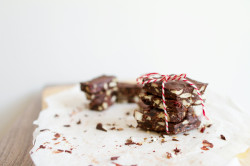
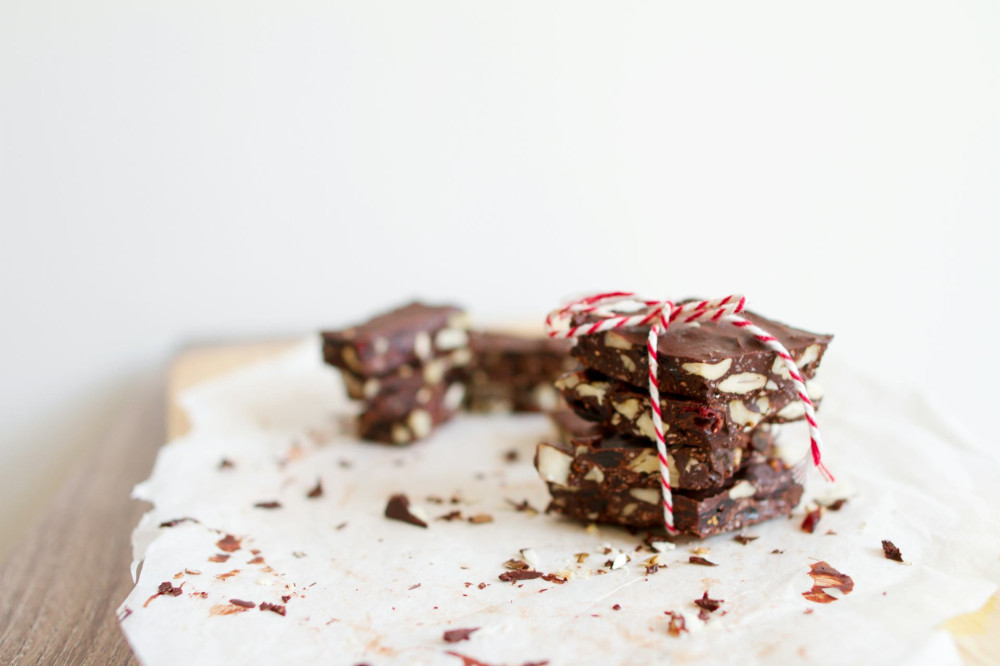
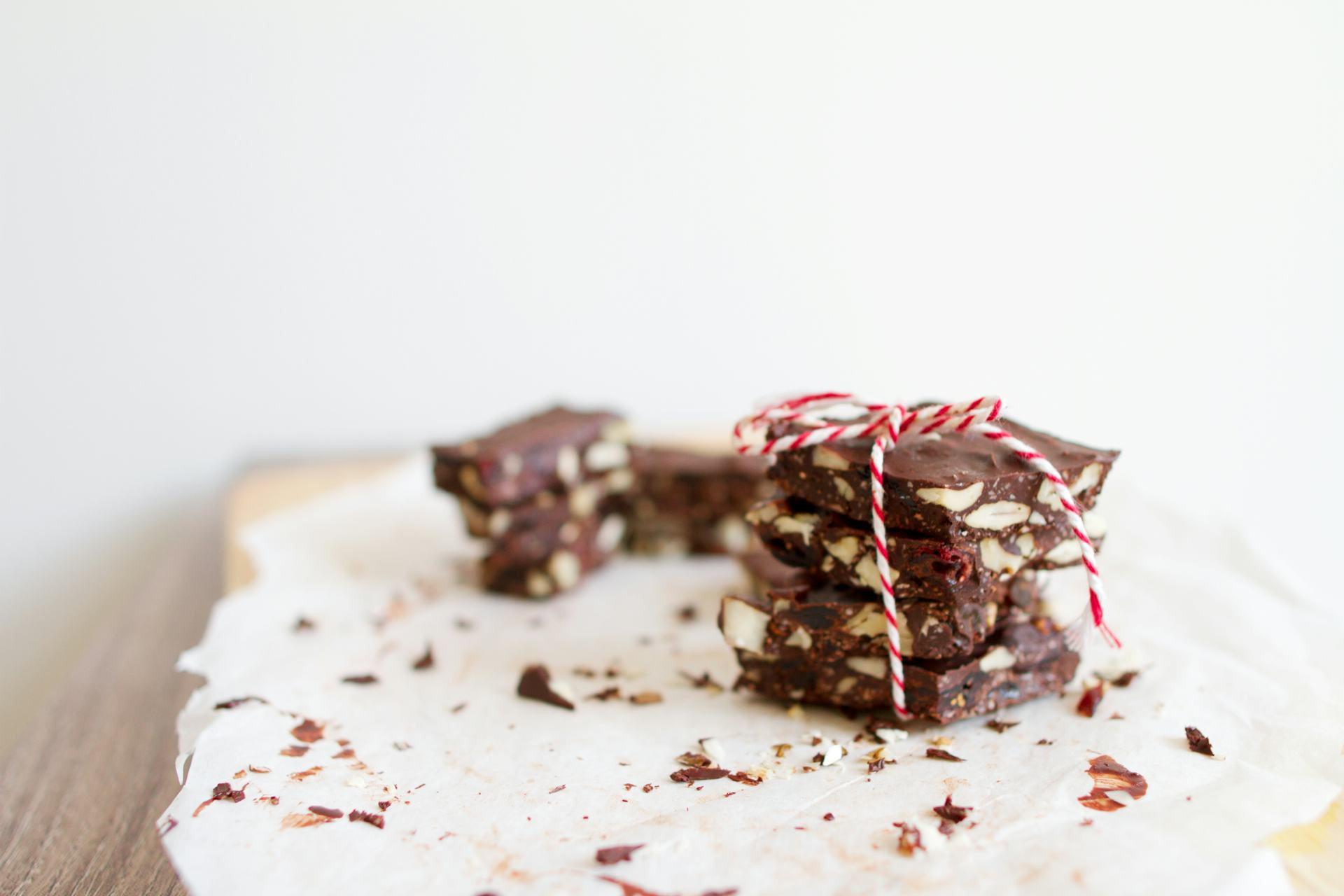
For example, a bean-to-bar chocolate made by hand can taste dramatically different from a mass-produced one—not only in flavor, but in texture and aroma. A small-batch roasted coffee can reveal how temperature and timing affect acidity and sweetness. The more you understand about the craft, the more meaning each taste holds.
Compare and Discover
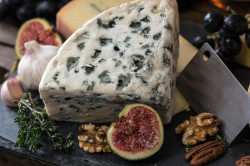
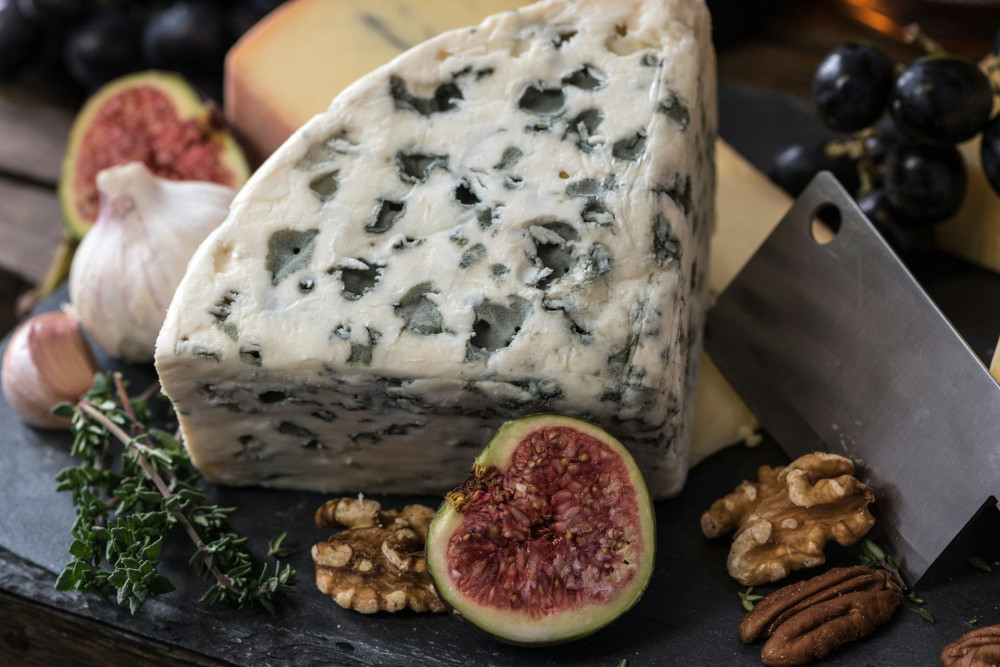
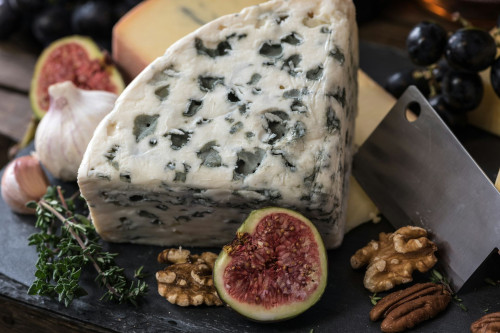
One of the most effective ways to learn through tasting is by comparison. Try three wines made from the same grape but grown in different regions. Or sample two cheeses made from the same milk but aged for different lengths of time. When you taste side by side, differences become clear—and you start to see how climate, technique, and time shape the final result.
Comparison also sharpens your sense of quality. You begin to recognize balance, complexity, and purity—the hallmarks that separate the exceptional from the ordinary.
Engage All Your Senses
Tasting isn’t just about your tongue. Sight, smell, and even sound play a role. Look at the color and clarity of a wine, feel the texture of a cheese, listen to the crunch of fresh bread. Smell is especially important—it makes up most of what we perceive as flavor. Take time to inhale the aroma before tasting, and notice how it evolves as the product breathes.
By engaging all your senses, tasting becomes a complete experience—one that helps you not only notice but truly understand.
From Experience to Insight
After a few tastings, you’ll find that your perspective on quality changes. You become more aware of what you buy and why some things cost more than others. You start to appreciate the craftsmanship behind each product—and maybe even feel inspired to experiment yourself: roasting your own coffee, baking sourdough, or trying your hand at homemade cheese.
Tastings remind us that quality isn’t just about price—it’s about time, care, and respect for the ingredients.
A New Way to Enjoy
Ultimately, tasting your way to knowledge is about being present. When you taste with attention, even a simple cup of tea or a piece of chocolate becomes an experience. You realize that taste isn’t just something you have—it’s something you can develop.
So next time you have the chance to join a tasting, approach it with curiosity. You’ll leave not only with new favorites, but with a deeper appreciation for the craftsmanship that turns good products into something truly special.
Læs også: