From Quality Ingredients to Gourmet Experiences: How to Choose the Best Ingredients

From Quality Ingredients to Gourmet Experiences: How to Choose the Best Ingredients
A great meal doesn’t start in the kitchen—it starts at the market. Whether you’re preparing a simple pasta dish or a multi-course dinner, the quality of your ingredients determines the flavor, texture, and overall experience. But how do you tell the difference between good and great ingredients? Here’s a guide to help you choose the best, so you can turn everyday cooking into a gourmet experience.
Let the Seasons Guide You
Seasonal ingredients taste better because they’re harvested at their natural peak. Think of sweet corn in late summer, crisp apples in the fall, or tender asparagus in spring. Nature has its own rhythm, and following it is one of the easiest ways to improve your cooking.
Buying produce in season means fresher flavor, better texture, and often a lower price. It also supports local farmers and reduces the environmental impact of long-distance shipping. Visit your local farmers market or join a community-supported agriculture (CSA) program—you’ll get to see, smell, and taste what’s freshest while connecting with the people who grow your food.
Freshness Is Everything
Freshness can make or break a dish. Before you buy, look, smell, and feel your ingredients. Vegetables should be firm and vibrant, not limp or dull. Fish should smell clean and ocean-fresh, never “fishy.” Meat should have a natural color and firm texture without gray patches.
A simple rule: buy less, but buy more often. Frequent shopping keeps your ingredients at their best and allows you to be inspired by what’s in season or looks particularly good that day.
Choose Quality Over Quantity
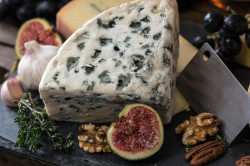
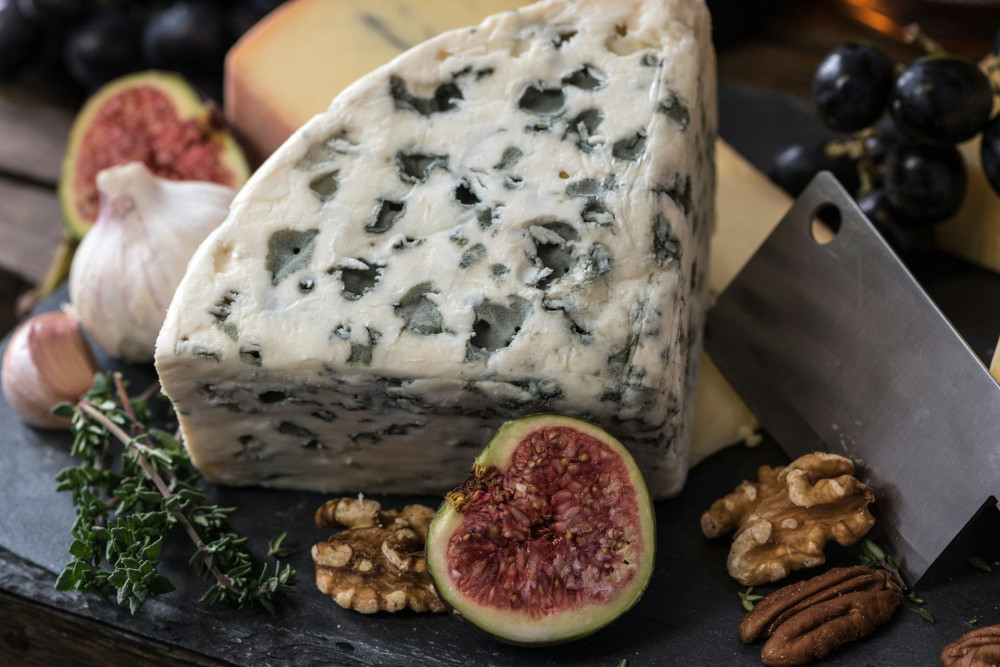
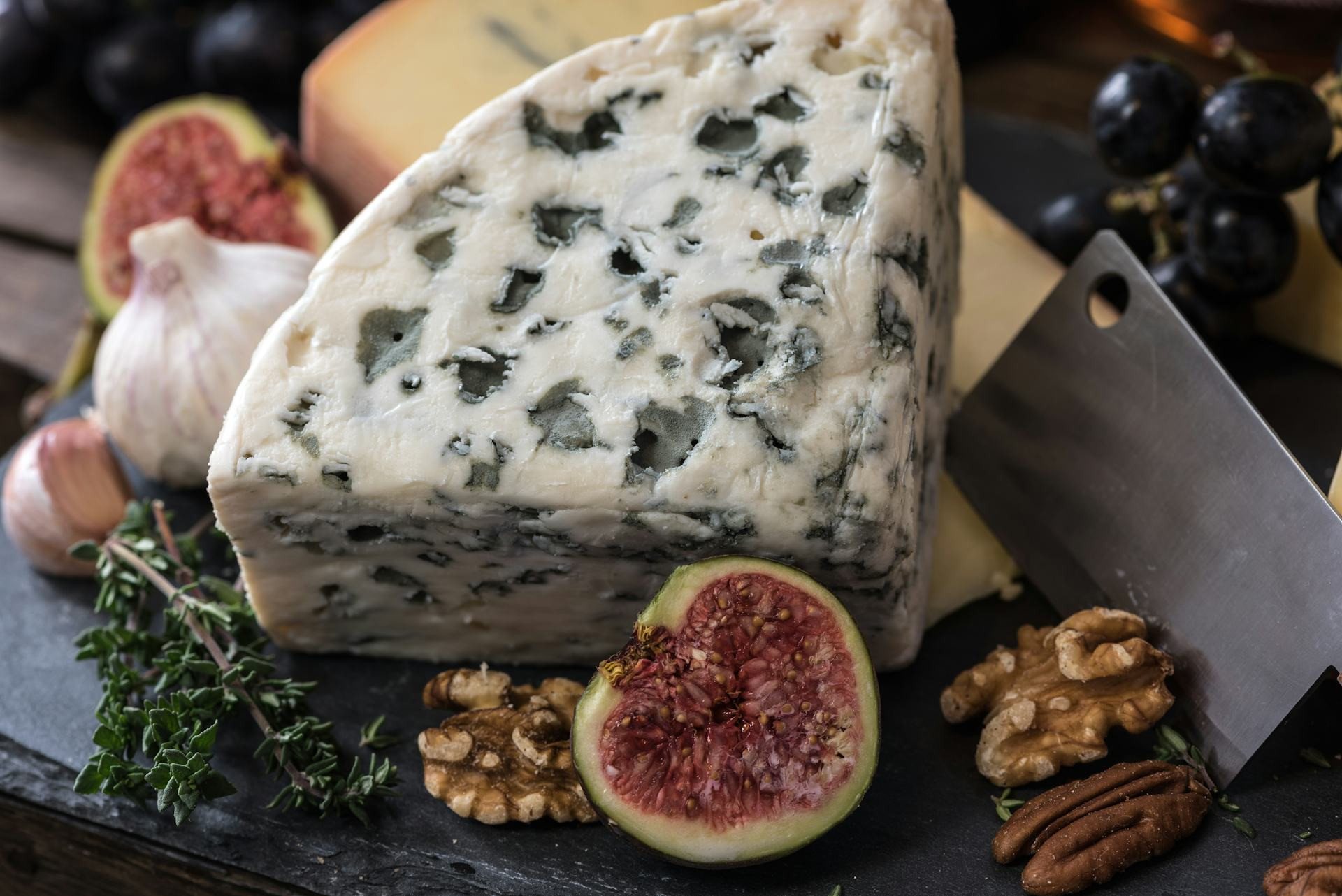
Creating a gourmet experience isn’t about using dozens of ingredients—it’s about choosing the right ones. A wedge of well-aged cheese, a handful of fresh herbs, or a drizzle of high-quality olive oil can transform a dish.
Invest in fewer, better staples. Items like olive oil, butter, salt, and spices form the foundation of flavor in nearly every recipe. A cold-pressed extra virgin olive oil, flaky sea salt, and freshly ground pepper can elevate even a simple salad or roasted vegetable dish.
Go Local and Sustainable
More Americans are choosing local and organic products—and for good reason. Local ingredients often travel shorter distances, meaning they’re fresher and have a smaller carbon footprint. Organic foods are grown without synthetic pesticides and with attention to soil health and animal welfare.
You don’t have to buy everything organic, but it’s worth prioritizing for items where the difference is most noticeable—like fruits, vegetables, dairy, and meat. Many small farms use sustainable practices even if they’re not certified organic, so don’t hesitate to ask questions when you shop.
Læs også:


Taste and Learn
The best way to understand quality ingredients is to taste them. Try different varieties of tomatoes, apples, or cheeses, and notice how flavor, sweetness, and texture vary. You’ll quickly develop a sense of what you like—and that knowledge will guide your choices in the kitchen.
As you explore, you’ll also start to appreciate how subtle differences in ingredients can completely change a dish. Cooking becomes more personal, creative, and rewarding.
Store Ingredients the Right Way
Even the best ingredients lose their magic if stored improperly. Root vegetables like carrots and beets prefer cool, humid conditions, while tomatoes and citrus fruits do best at room temperature. Fresh herbs can be kept like flowers—in a glass of water on the counter—or wrapped in a damp paper towel in the fridge.
Keep meat and fish cold and use them quickly. Store dry goods like flour, rice, and spices in a cool, dark place to preserve their flavor. Proper storage extends shelf life and ensures that every ingredient tastes as good as the day you bought it.
From Ingredient to Experience
When you choose your ingredients with care, cooking becomes more than a task—it becomes an experience. You start to understand how flavor, aroma, and texture work together, and how small details can make a big difference.
Cooking with quality ingredients isn’t just about eating better; it’s about respect—for the food, for the people who produce it, and for the joy of creating something with your own hands. That’s the true essence of a gourmet experience.
Læs også: