From Small Steps to Big Changes – How to Change Your Eating Habits Without Stress

From Small Steps to Big Changes – How to Change Your Eating Habits Without Stress
Changing the way you eat can feel overwhelming. Maybe you’ve tried strict diets or trendy meal plans, only to end up back where you started. The truth is, lasting change rarely happens overnight. It begins with small, realistic steps—and with an approach that supports both your body and your mind. Here’s how you can build healthier eating habits without stress or guilt.
Start by Understanding Your Habits
Before you change anything, take time to understand why you eat the way you do. Our food choices are often influenced by more than hunger—they’re shaped by emotions, routines, and social situations. Maybe you reach for sweets when you’re tired, or skip meals when you’re busy.
Try keeping a simple food journal for a week. Note when and why you eat, not to judge yourself, but to notice patterns. Once you understand your habits, it becomes easier to identify small, meaningful changes.
Set Small, Specific Goals
Instead of overhauling your entire diet, focus on one area at a time. Small, concrete goals are easier to stick with and build confidence as you go. For example:
- Eat breakfast every morning.
- Add one extra serving of vegetables to dinner.
- Swap soda for water a few times a week.
- Plan your meals for the next three days.
Each small step adds up. When these changes become part of your routine, you can build on them gradually. Over time, small steps lead to big results.
Make Healthy Choices Easy
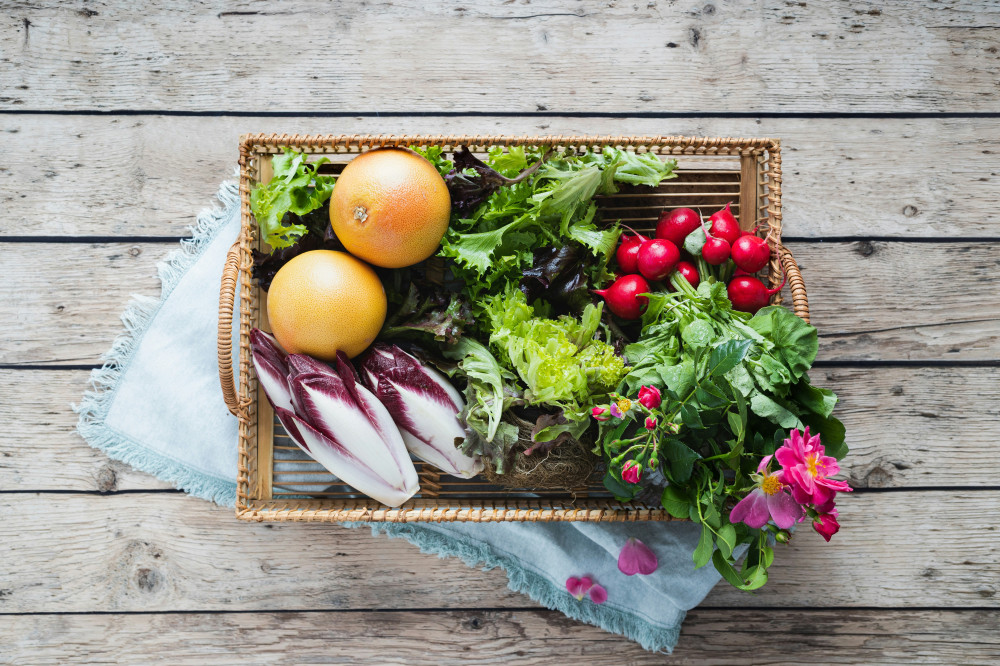
Healthy eating doesn’t have to be complicated. The easier it is to make good choices, the more likely you are to follow through. Stock your fridge and pantry with foods you want to eat more of—fresh produce, whole grains, lean proteins, and healthy snacks.
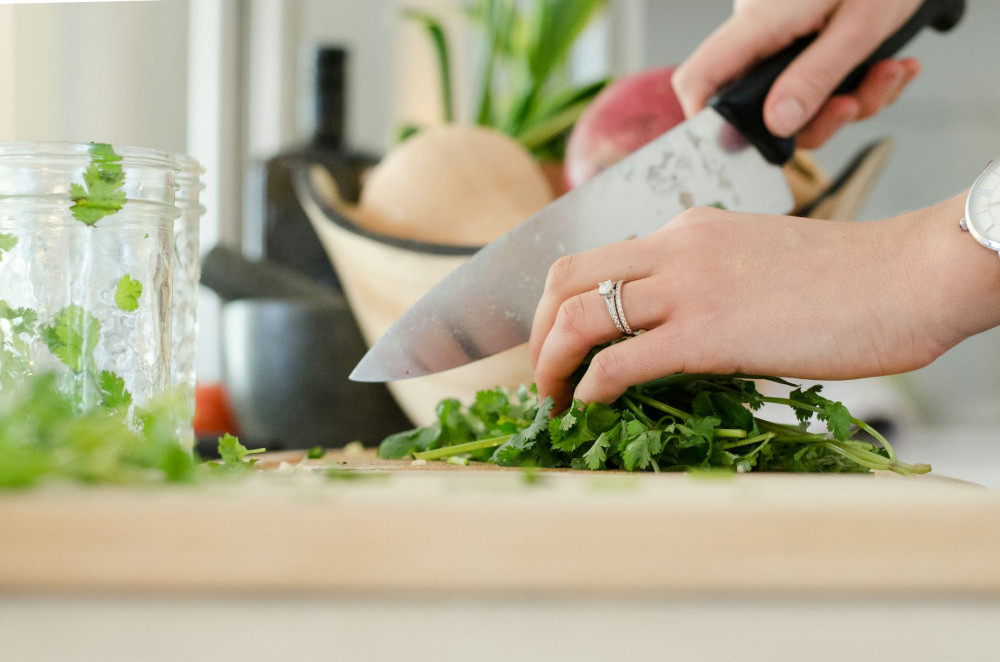
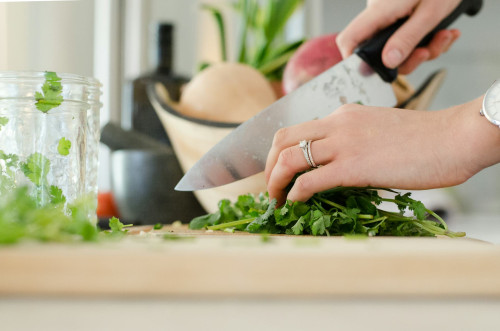
Prep vegetables ahead of time, keep fruit visible on the counter, and cook extra portions of healthy meals so you have leftovers for busy days. The fewer decisions you have to make in the moment, the less energy it takes to stay on track.
Listen to Your Body—Not to Restrictions
Many people associate healthy eating with strict rules or deprivation. But your body thrives on balance, not punishment. Instead of focusing on what you “can’t” have, think about what you can add to your meals to feel satisfied and energized.
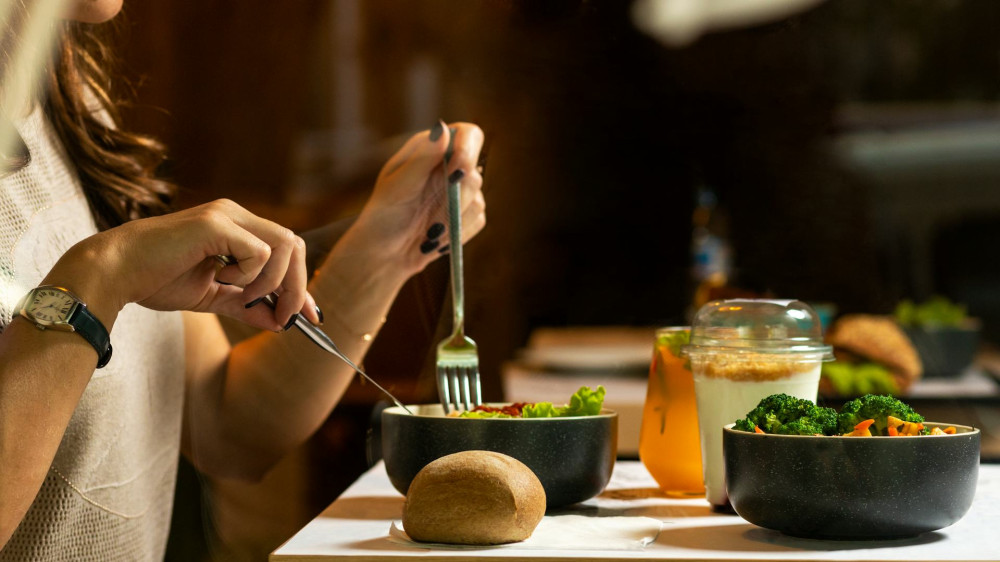
Pay attention to your hunger and fullness cues. Learn to tell the difference between physical hunger and emotional cravings. When you allow yourself to enjoy food and eat mindfully, it becomes easier to find a natural rhythm that works for you.
Læs også:



Handle Setbacks with Kindness
No one’s journey is perfect. There will be days when you eat more than planned or fall back into old habits. That doesn’t mean you’ve failed—it means you’re human.
What matters most is how you respond. Instead of giving up, reflect on what happened. Were you stressed, tired, or unprepared? Use the experience as a learning opportunity. When you treat yourself with understanding instead of criticism, it’s much easier to get back on track.
Find Support and Inspiration
Change is easier when you’re not doing it alone. Share your goals with a friend, partner, or coworker who can encourage you. You can also join online communities or local groups focused on healthy living, cooking, or fitness.
If you want more structure, consider talking with a registered dietitian or health coach. They can help you create a plan that fits your lifestyle, preferences, and goals.
Make Health a Part of Life—Not a Project
When you see healthy eating as a temporary project, it’s hard to maintain. But when you view it as a natural part of your life, it becomes sustainable. The goal isn’t perfection—it’s balance, energy, and well-being over the long term.
Small steps may seem insignificant at first, but over time, they can lead to big changes—in your health, your confidence, and your enjoyment of food.
Læs også: