Eat a Colorful, Varied Diet – Small Habits with a Big Impact on Your Health

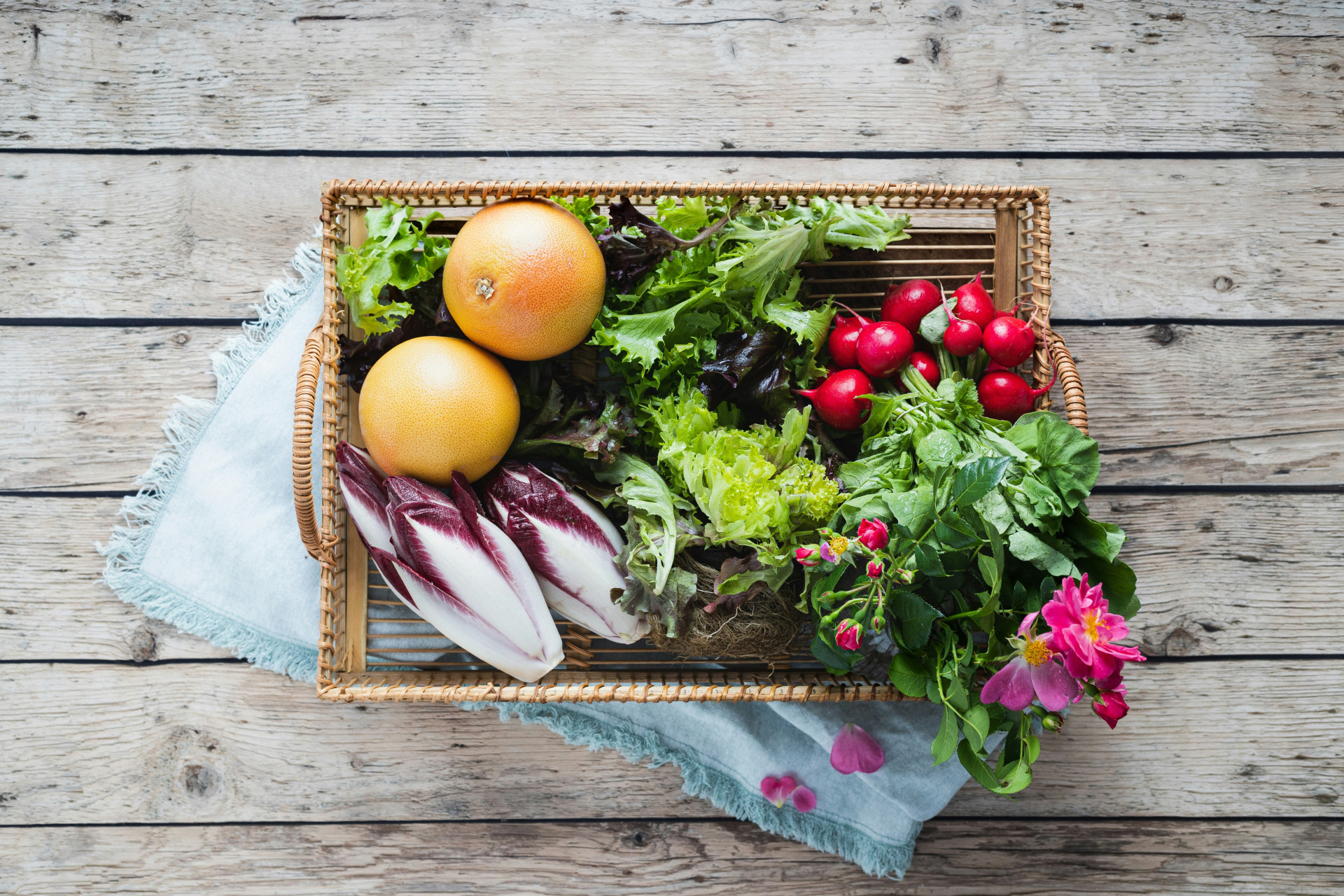
Eat a Colorful, Varied Diet – Small Habits with a Big Impact on Your Health
Eating healthy doesn’t have to be complicated or boring. In fact, small changes in your daily eating habits can make a big difference in your energy, mood, and overall well-being. One of the simplest—and most effective—ways to improve your diet is to eat more colorfully and with greater variety. The colors on your plate tell a story about the nutrients you’re getting, and the more colors you include, the wider the range of vitamins, minerals, and antioxidants you take in.
Let Color Be Your Health Guide
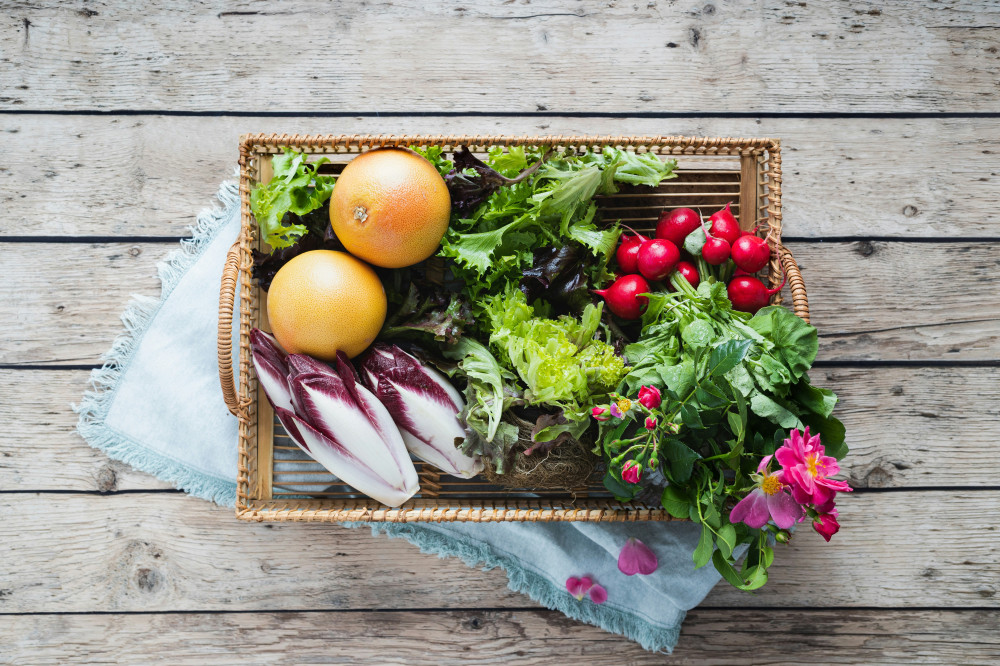
When you look at your plate, think of the colors as a kind of health guide. Each color represents different plant compounds that benefit your body in unique ways.
- Red fruits and vegetables like tomatoes, strawberries, and red bell peppers contain lycopene and anthocyanins, which can support heart health and circulation.
- Orange and yellow foods such as carrots, sweet potatoes, and mangoes are rich in beta-carotene, which your body converts into vitamin A—important for vision and immune function.
- Green vegetables like spinach, broccoli, and peas provide iron, folate, and chlorophyll, all of which help keep your cells healthy.
- Blue and purple foods such as blueberries, red cabbage, and eggplant are packed with antioxidants that protect against cell damage and aging.
- White vegetables like cauliflower, garlic, and onions contain sulfur compounds that may strengthen your immune system and help fight inflammation.
By mixing several colors throughout the day, you naturally create a more balanced diet—without having to count calories or track nutrients.
Small Steps, Big Difference
Changing your eating habits can feel overwhelming, but you don’t have to do everything at once. Start with small, realistic adjustments that fit your lifestyle:
- Add an extra vegetable to dinner—try steamed broccoli or a handful of spinach in your pasta sauce.
- Swap white rice for brown rice or quinoa a few times a week.
- Make a colorful salad for lunch with leafy greens, red tomatoes, and yellow corn.
- Choose fruit as a snack instead of sweets—an apple or a handful of berries can satisfy your craving.
- Experiment with new ingredients you don’t usually buy—maybe beets, lentils, or fresh herbs.
When you make gradual changes, it’s easier to stick with them, and you’ll soon notice improvements in your energy and overall well-being.
Læs også:


Variety Is the Key
Even the healthiest foods can’t meet all your body’s needs on their own. That’s why variety is essential. By rotating different vegetables, fruits, grains, and protein sources, you get a broader spectrum of nutrients.
Think of your diet as a puzzle: each ingredient adds its own piece. Fish provides omega-3 fatty acids, beans and lentils offer fiber and plant-based protein, while nuts and seeds supply healthy fats. Together, they form a complete picture of balance and health.
Make It Easy for Everyday Life
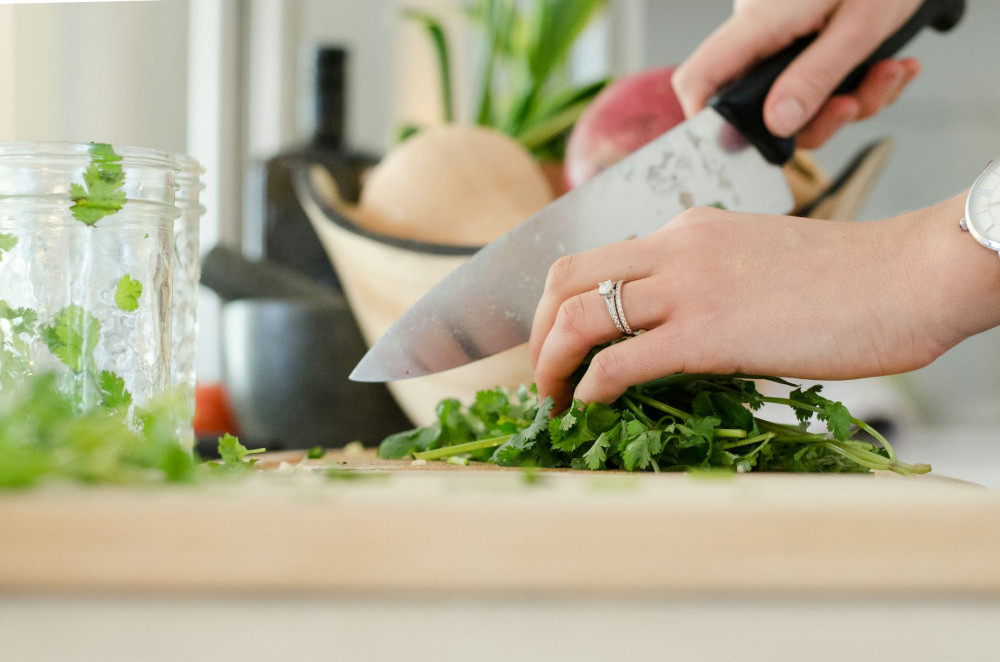
A colorful, varied diet doesn’t require gourmet cooking or hours in the kitchen. It’s mostly about planning and convenience. Stock your fridge with easy-to-use vegetables and keep fruit ready to grab on the go.
A few practical tips:
- Pre-cut vegetables and store them in airtight containers.
- Cook larger batches of healthy meals and freeze portions for later.
- Use frozen vegetables—they’re just as nutritious as fresh and ready in minutes.
- Keep pantry staples like whole-grain pasta, beans, and eggs on hand.
When the healthy choice is also the easy choice, it becomes the natural one.
Enjoyment and Balance
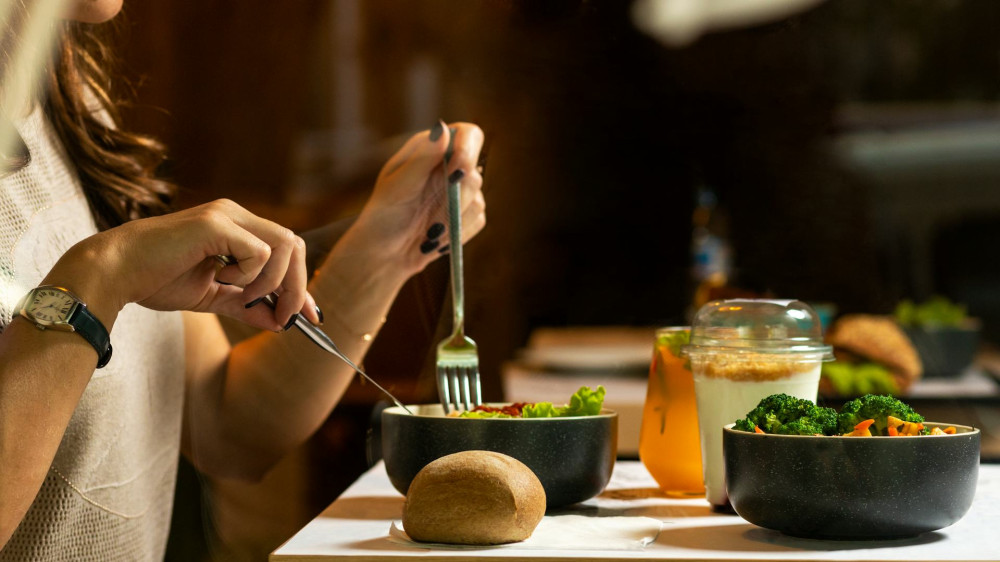
Healthy eating isn’t just about nutrients—it’s also about enjoyment. Colorful food looks appealing, smells inviting, and encourages you to eat with all your senses. Allow yourself to enjoy your meals, and remember that balance matters more than perfection. An occasional treat won’t derail a healthy lifestyle—it can actually be part of a relaxed, sustainable approach to eating.
An Investment in Yourself
Eating a colorful, varied diet is one of the most effective ways to boost your health—both now and in the long run. It doesn’t require major sacrifices but offers big rewards: more energy, better digestion, a stronger immune system, and an overall sense of well-being.
Small habits can make a big difference. Start with one color at a time—and watch your plate (and your health) grow richer day by day.
Læs også: