Packaging in Transition: New Takeout Trends Reflect Changing Consumer Habits

Packaging in Transition: New Takeout Trends Reflect Changing Consumer Habits
Takeout has evolved from a quick fix for busy days into a central part of American dining culture. Alongside this shift, the packaging that carries our meals has undergone a transformation. Once dominated by plastic and Styrofoam, the industry is now embracing new materials, smarter designs, and sustainability-driven innovation. These changes reflect not only technological progress but also consumers’ growing awareness of environmental impact, convenience, and aesthetics.
From Plastic to Plant-Based Materials
As cities and states across the U.S. introduce bans on single-use plastics and foam containers, restaurants and packaging suppliers have been forced to rethink their approach. Many are turning to paper, bamboo, sugarcane, and cornstarch-based materials—options that can be composted or recycled.
Consumers increasingly want packaging that looks good, performs well, and aligns with their values. A compostable bowl made from sugarcane pulp, for example, must not only be eco-friendly but also sturdy enough to hold heat, resist leaks, and keep food appetizing during delivery. The challenge is to balance sustainability with functionality and presentation.
Reuse and Deposit Systems on the Rise
One of the most notable trends of the 2020s is the emergence of reusable packaging. Pilot programs in cities like San Francisco, Portland, and New York are testing systems where customers can return takeout containers for cleaning and reuse—sometimes through a small deposit or membership model. These initiatives aim to reduce waste while offering a tangible way for consumers to participate in sustainability efforts.
Early feedback suggests that Americans are open to these systems, especially when they are convenient and transparent. Paying a small deposit for a reusable container feels worthwhile when it’s easy to return and when the environmental benefits are clear. This shift signals that sustainability is no longer a niche concern—it’s becoming an expectation.
Design That Fits Modern Lifestyles
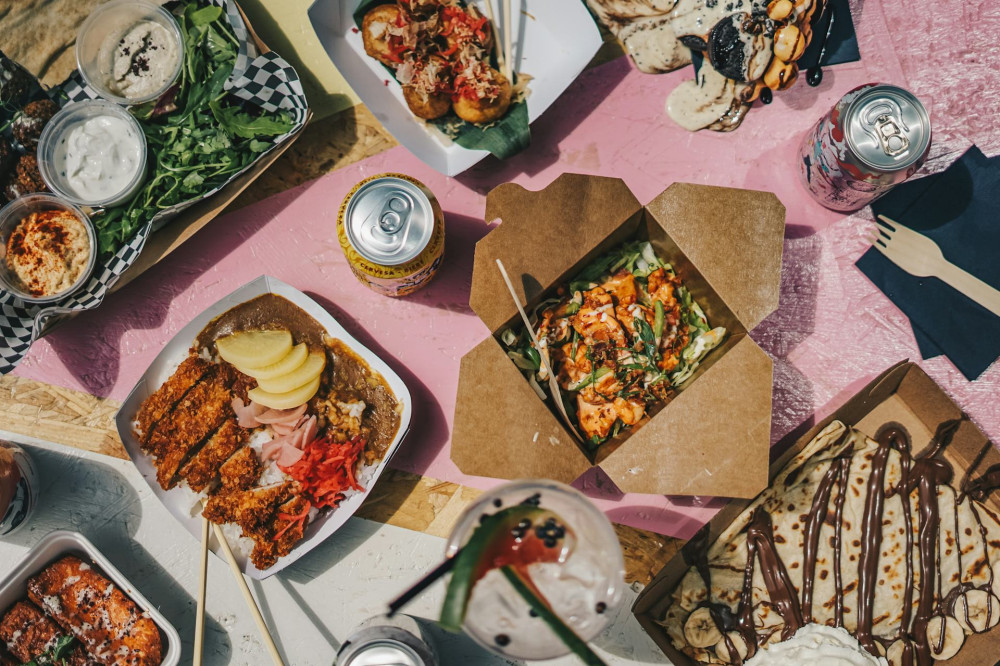
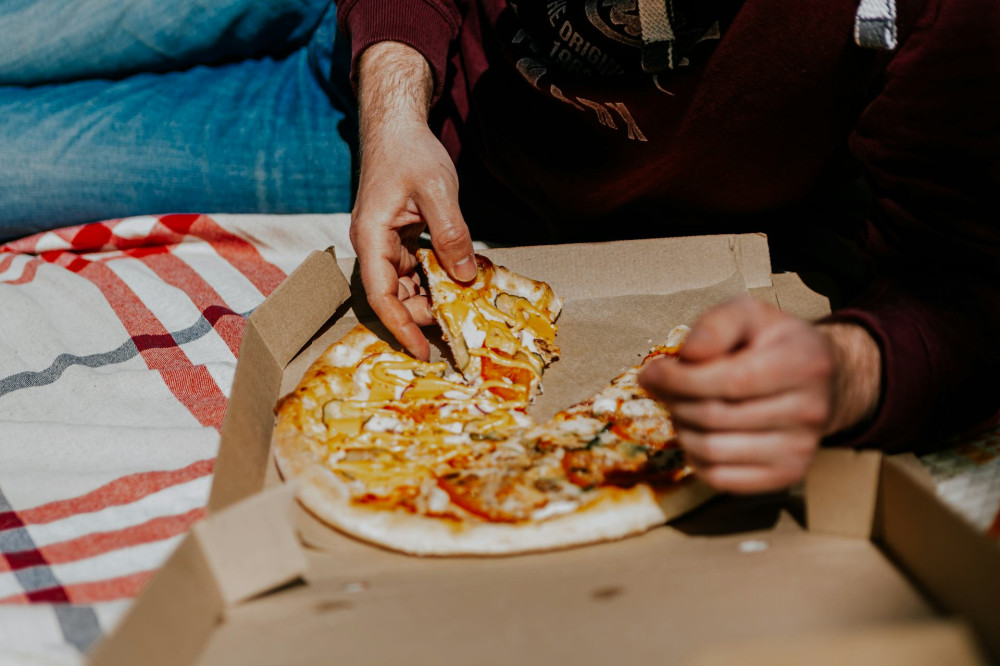
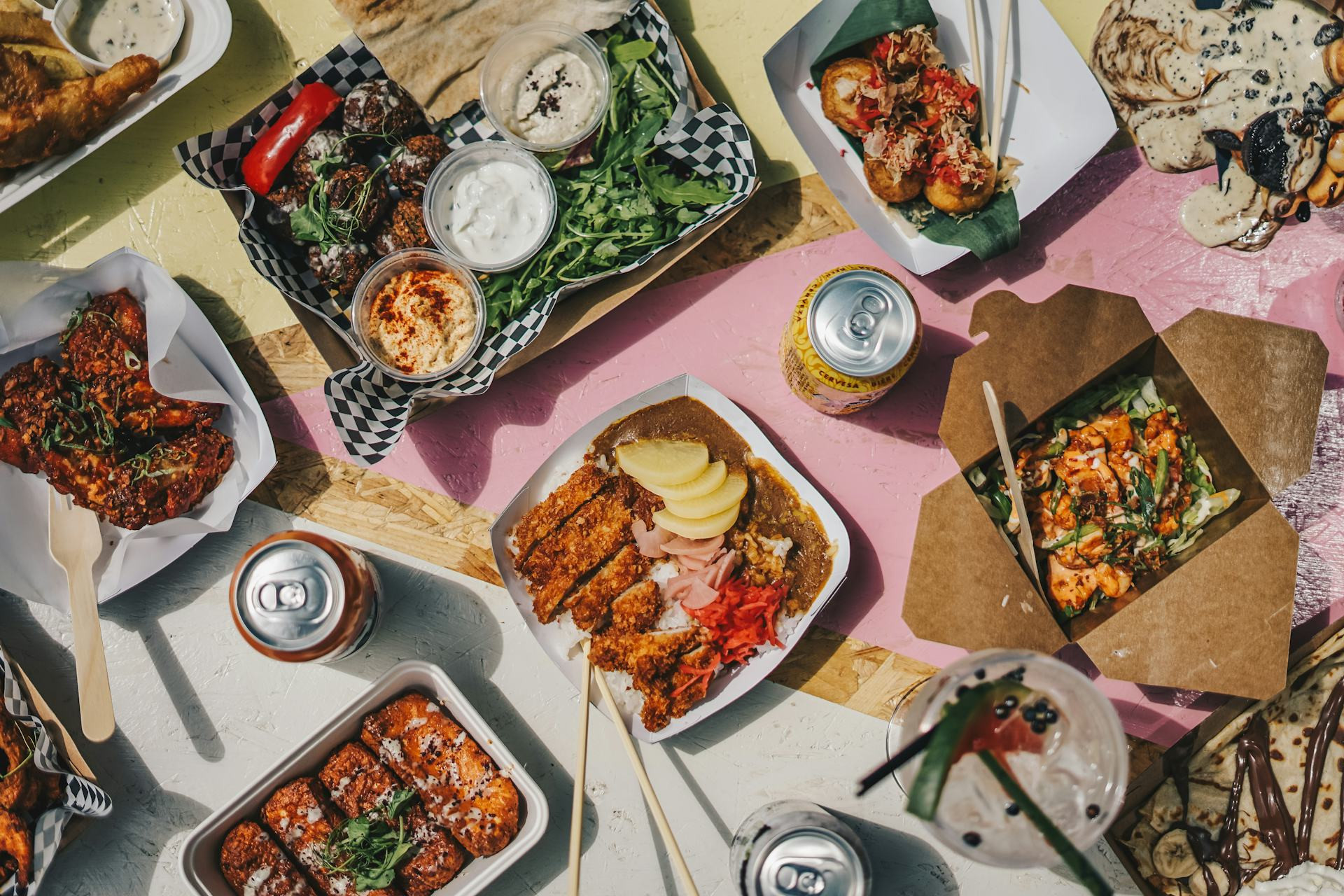
Takeout is no longer just for hectic weeknights. It’s part of social gatherings, outdoor events, and cozy nights in. This has inspired a new wave of design-focused packaging that enhances the dining experience. Restaurants are investing in visually appealing containers that reflect their brand identity and elevate the meal beyond simple convenience.
Functionality remains key. Packaging must be stackable, leak-resistant, and easy to open without spills. Some companies are experimenting with modular systems that allow multiple dishes to fit together neatly in one set—streamlining delivery and improving presentation.
Technology and Traceability
Technology is playing an increasing role in packaging innovation. QR codes printed on lids or labels can link customers to ingredient lists, sourcing information, and recycling instructions. For restaurants, this creates a direct communication channel with customers even after the meal is delivered.
Meanwhile, packaging manufacturers are exploring smart materials that can monitor temperature or indicate freshness, helping ensure food safety and reduce waste. As food delivery continues to grow, these innovations could become standard features in the industry.
Consumers as the Driving Force
The evolution of takeout packaging is largely driven by changing consumer habits. Many Americans want the convenience of delivery without the guilt of excess waste. They’re choosing restaurants that demonstrate environmental responsibility and are quick to share positive experiences on social media—especially when the packaging is attractive and thoughtfully designed.
At the same time, there’s a growing understanding that sustainability extends beyond materials. It’s about the entire lifecycle—from production and transportation to reuse and disposal. This holistic view challenges restaurants, suppliers, and consumers alike to think more broadly about their environmental footprint.
Læs også:



The Future of Takeout: Circular and Conscious
The future of takeout packaging in the U.S. points toward circular systems, where materials are kept in use and waste is minimized. Collaboration between restaurants, packaging producers, and local governments will be essential to create standardized systems that make reuse and recycling easier.
Consumers will continue to shape this evolution through their choices and expectations. Packaging is no longer just a container—it’s part of the dining experience and a reflection of shared values. When we order takeout today, we’re not just choosing what to eat; we’re choosing the kind of future we want to support.
Læs også: