Creative Cooking with Leftovers from Single-Person Meal Kits

Creative Cooking with Leftovers from Single-Person Meal Kits
Meal kits have become a go-to solution for busy Americans who want to eat well without the hassle of grocery shopping or meal planning. For those living alone, single-person meal kits make it easy to enjoy fresh, home-cooked food in just the right portions. Still, even with carefully measured ingredients, you often end up with small leftovers — half a bell pepper, a few spoonfuls of rice, or a handful of cooked vegetables. Instead of letting them go to waste, you can turn these bits and pieces into new, delicious meals. Here’s how to get creative with your leftovers and make every bite count.
Think in Components, Not in Meals
When you look at your leftovers, think of them as building blocks rather than finished dishes. A few slices of chicken can become the filling for a wrap, a topping for a salad, or the protein in a quick stir-fry. Cooked vegetables can be blended into a soup, tossed into a grain bowl, or folded into an omelet.
By thinking in terms of components — protein, vegetables, grains, and flavor — you open up endless possibilities. This approach helps you mix and match ingredients so you don’t feel like you’re eating the same thing two days in a row.
Læs også:
Small Quantities, Big Flavor
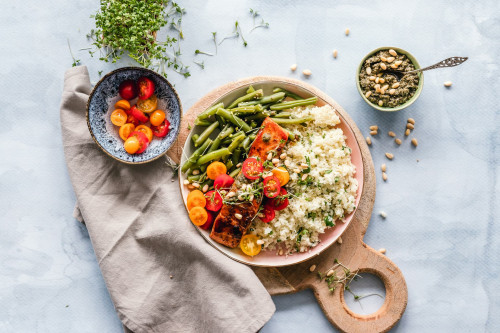
Cooking for one means making the most of small amounts. This is where seasonings, sauces, and toppings shine. A spoonful of salsa, a drizzle of soy sauce, or a sprinkle of fresh herbs can completely transform a simple leftover into something new.
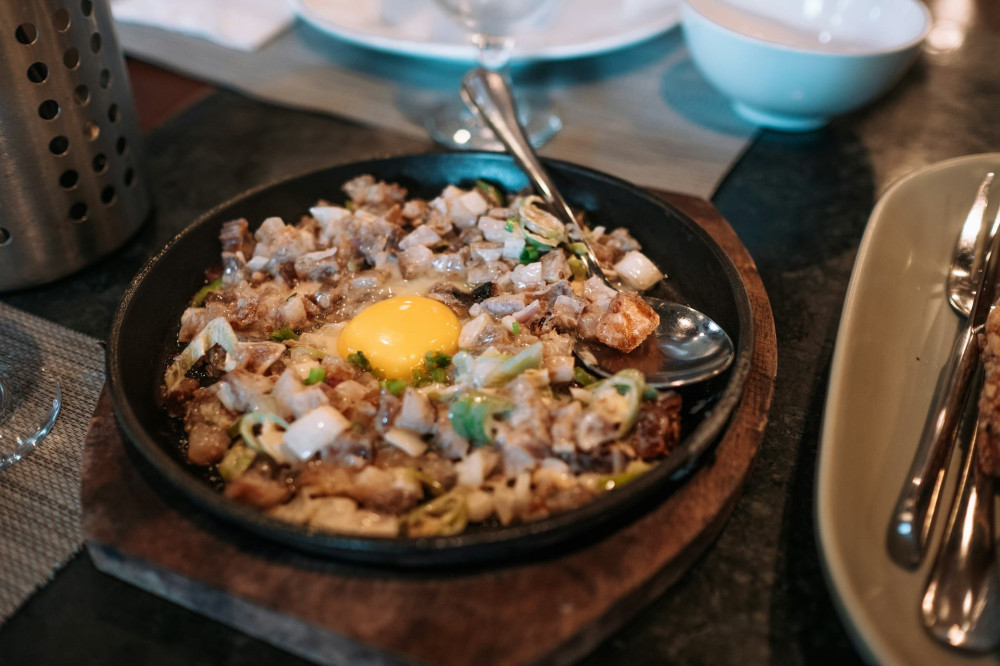
- Leftover rice or quinoa can be stir-fried with an egg, veggies, and a dash of hot sauce for a quick “fried rice” style meal.
- Cooked potatoes can be diced and pan-fried with onions and spices for a crispy hash — perfect with a fried egg on top.
- Vegetable scraps can be blended with broth and a splash of cream or coconut milk for a smooth, comforting soup.
A few small tweaks can make your leftovers feel like a brand-new meal.
Make the Freezer Your Friend
Even tiny portions can be worth saving. Half a can of tomatoes, a bit of sauce, or a handful of beans can all be frozen for later use. Over time, you’ll build a mini “flavor library” in your freezer that makes future cooking faster and easier.
Try freezing leftovers in ice cube trays or small containers so you can thaw just what you need. It’s a simple way to reduce waste and always have something tasty on hand.
Revive Leftovers with Pantry Staples
A few basic pantry items can breathe new life into your leftovers. Eggs, pasta, bread, and canned goods are versatile staples that pair well with almost anything.
- Eggs can turn nearly any leftover into a frittata or breakfast scramble.
- Pasta can transform leftover veggies into a quick dinner with olive oil and a sprinkle of cheese.
- Bread can become croutons, bruschetta, or the base for a hearty sandwich.
Keeping a small stock of these essentials makes it easy to improvise and avoid waste.
Plan with Flexibility
Meal kits make planning simple, but you can take it a step further by thinking ahead about leftovers. If you know you’ll have extra vegetables from Tuesday’s stir-fry, plan to use them in a wrap or omelet later in the week. This way, leftovers become part of your plan — not an afterthought.
Cooking as a Creative Process
Cooking for one isn’t just about efficiency; it’s also about enjoyment. Using leftovers creatively gives you the freedom to experiment without pressure. You can try new flavor combinations, adjust recipes to your taste, and find your own rhythm in the kitchen.
It’s a small but meaningful way to make everyday cooking more sustainable — for the planet and for your own sense of satisfaction.
Læs også: